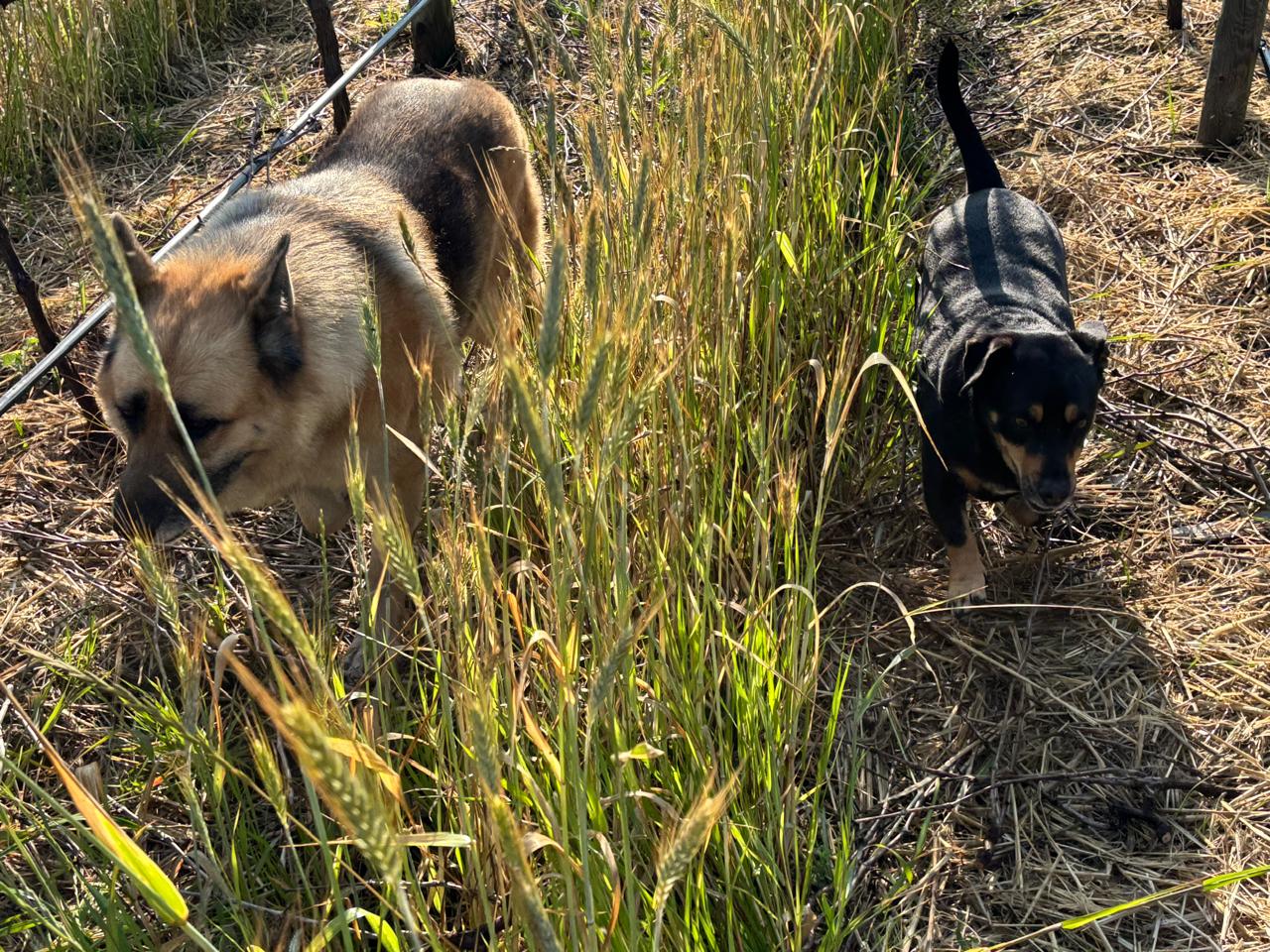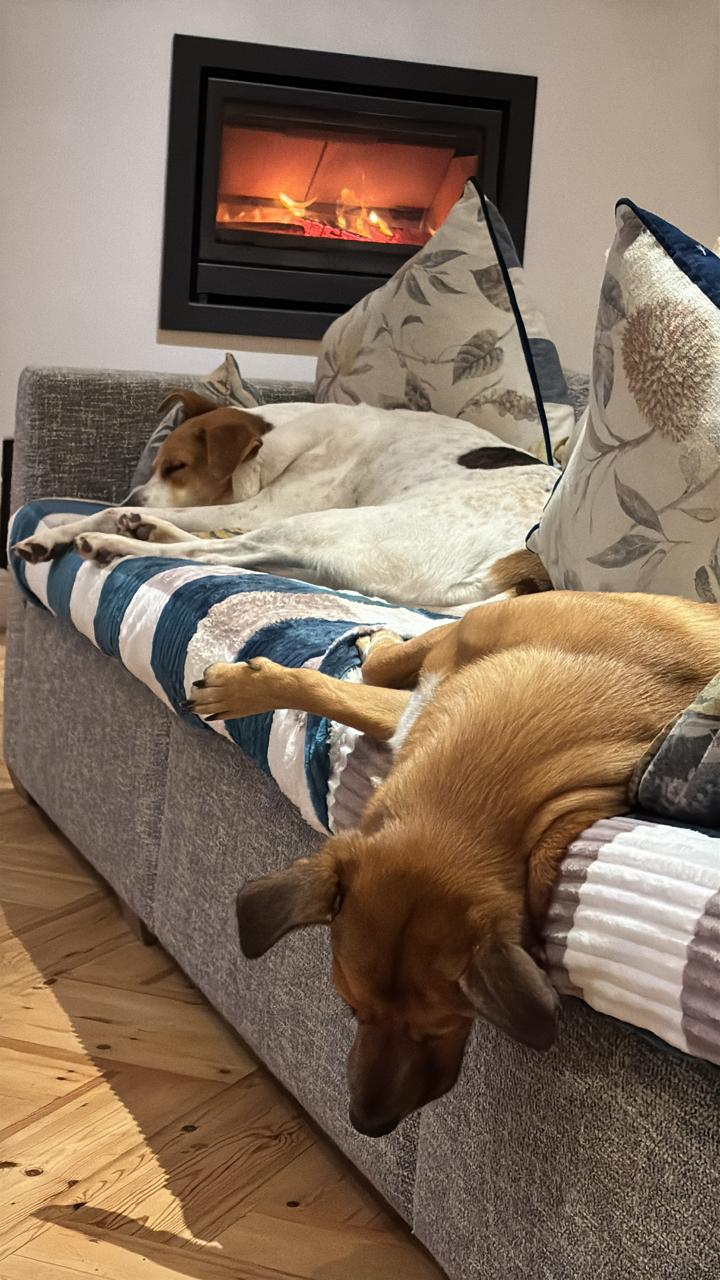
Sam Says: How to Judge a Good Wine Without Barking Up the Wrong Tree

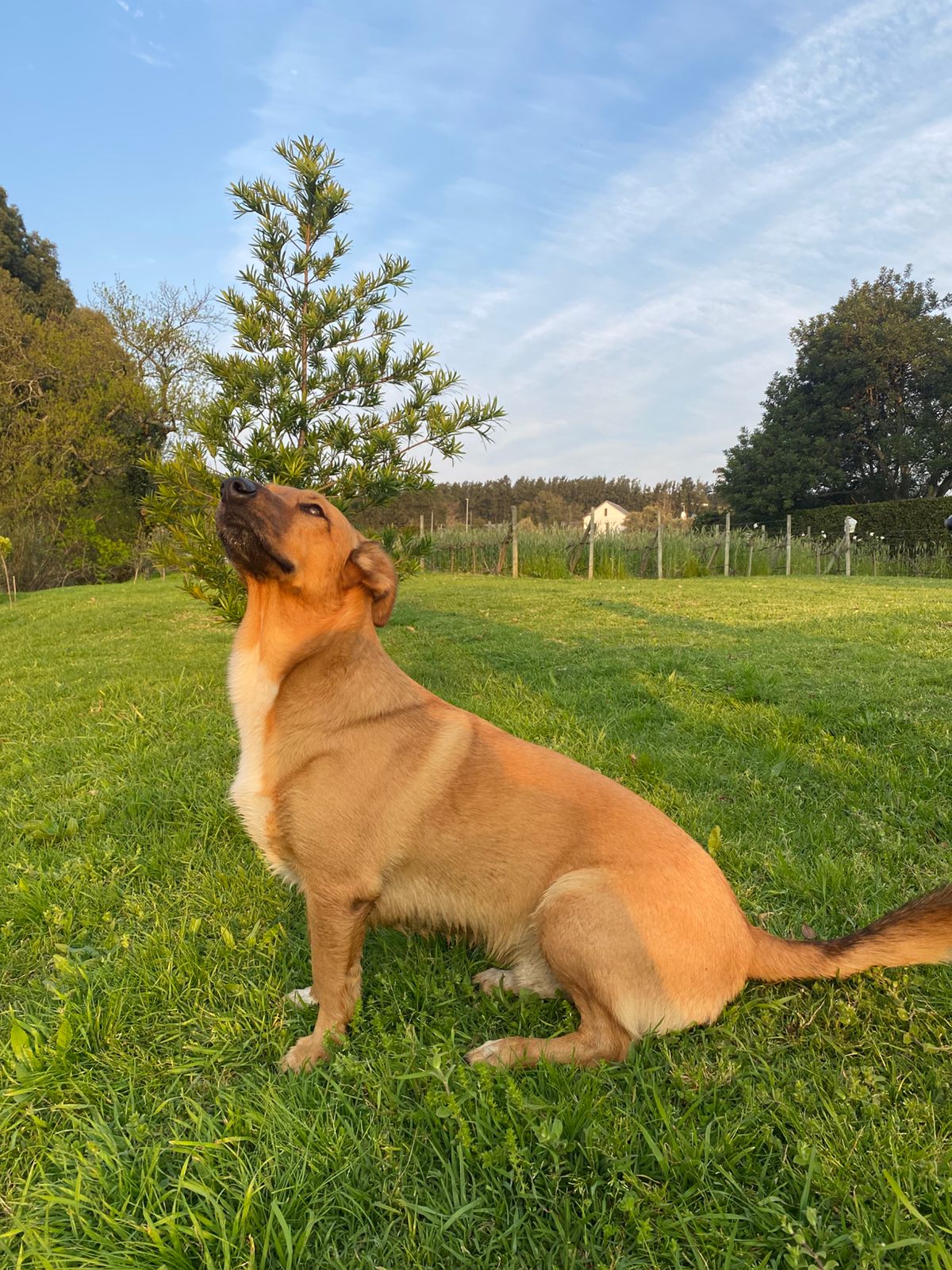
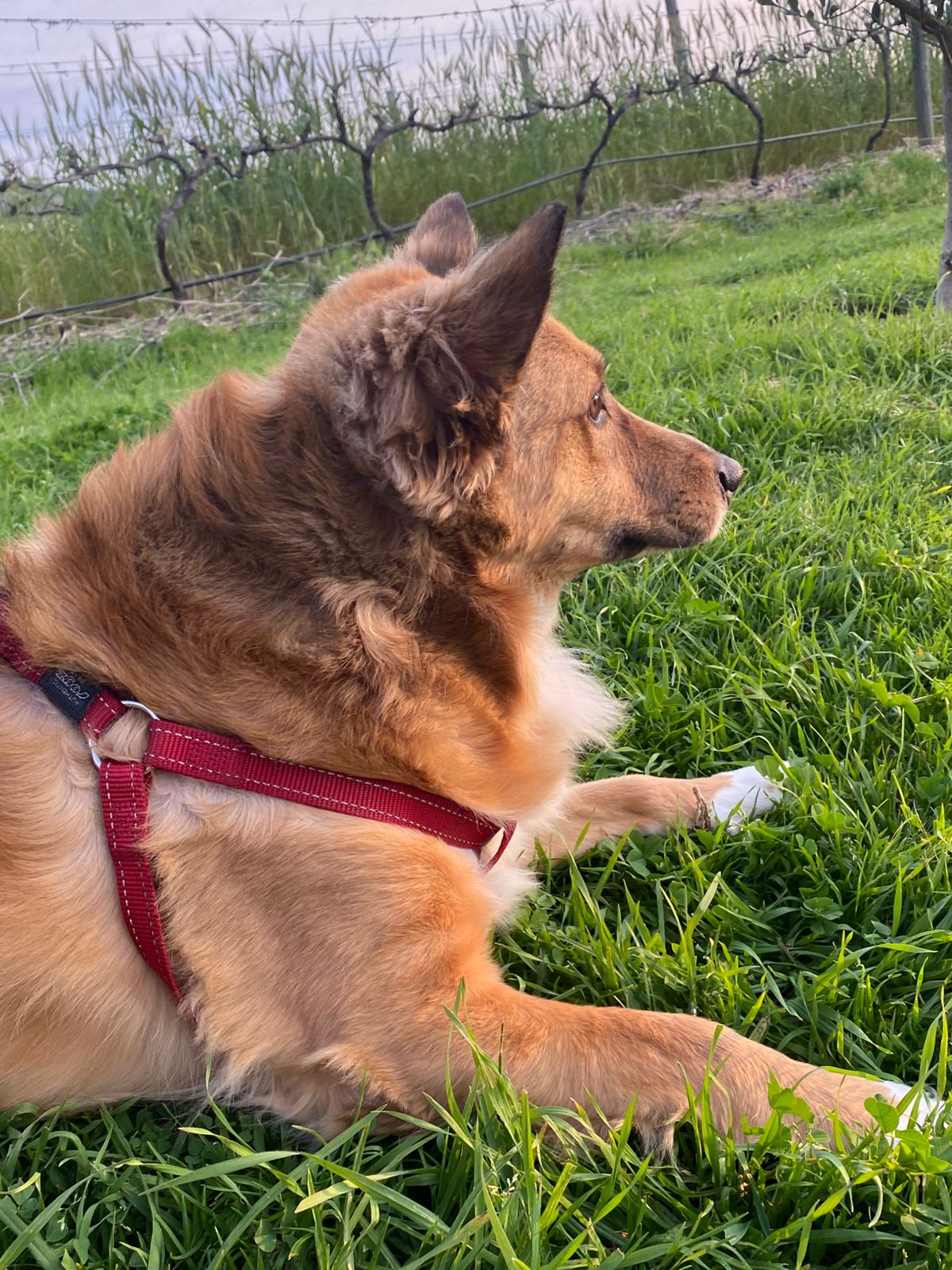
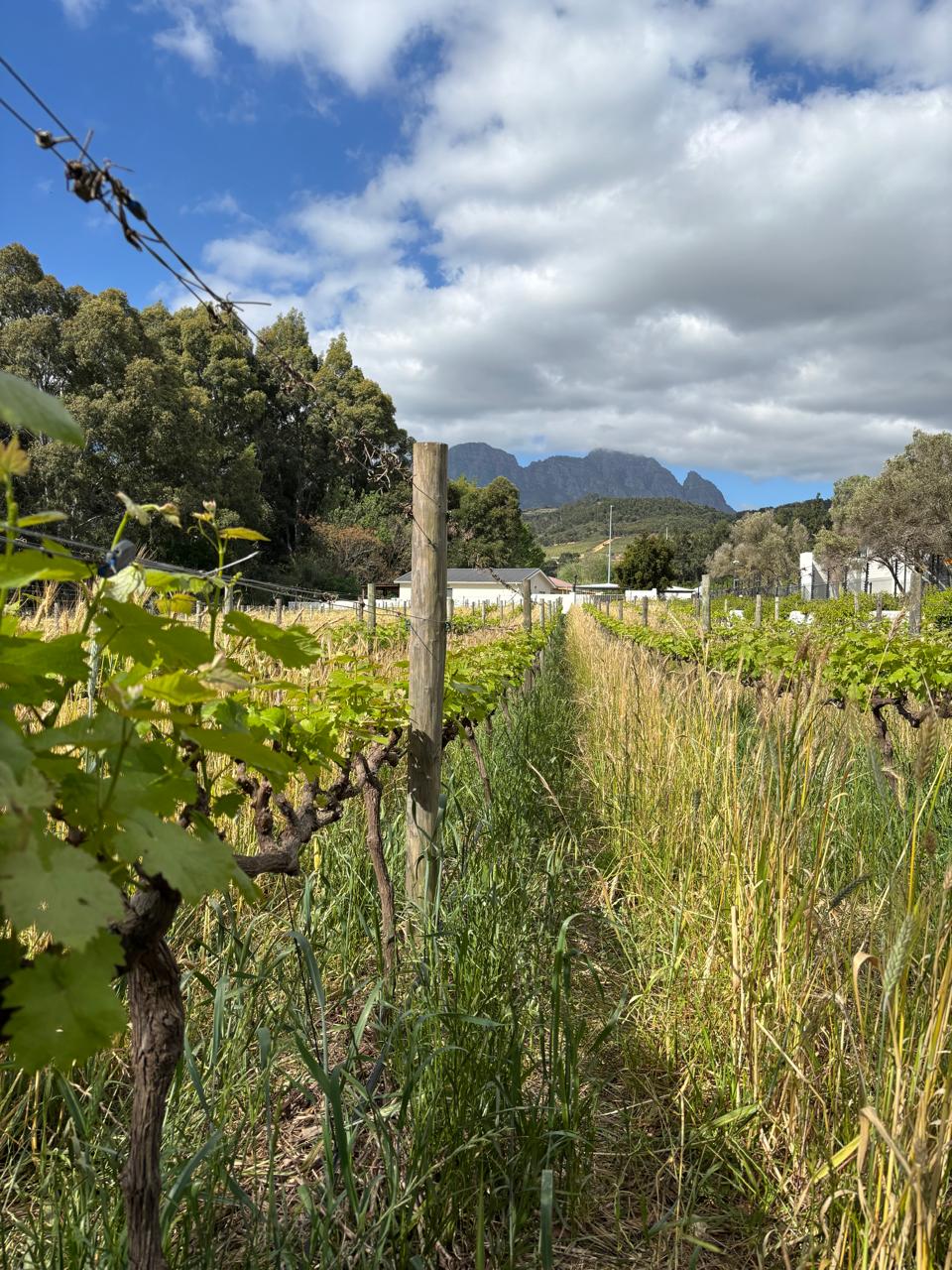
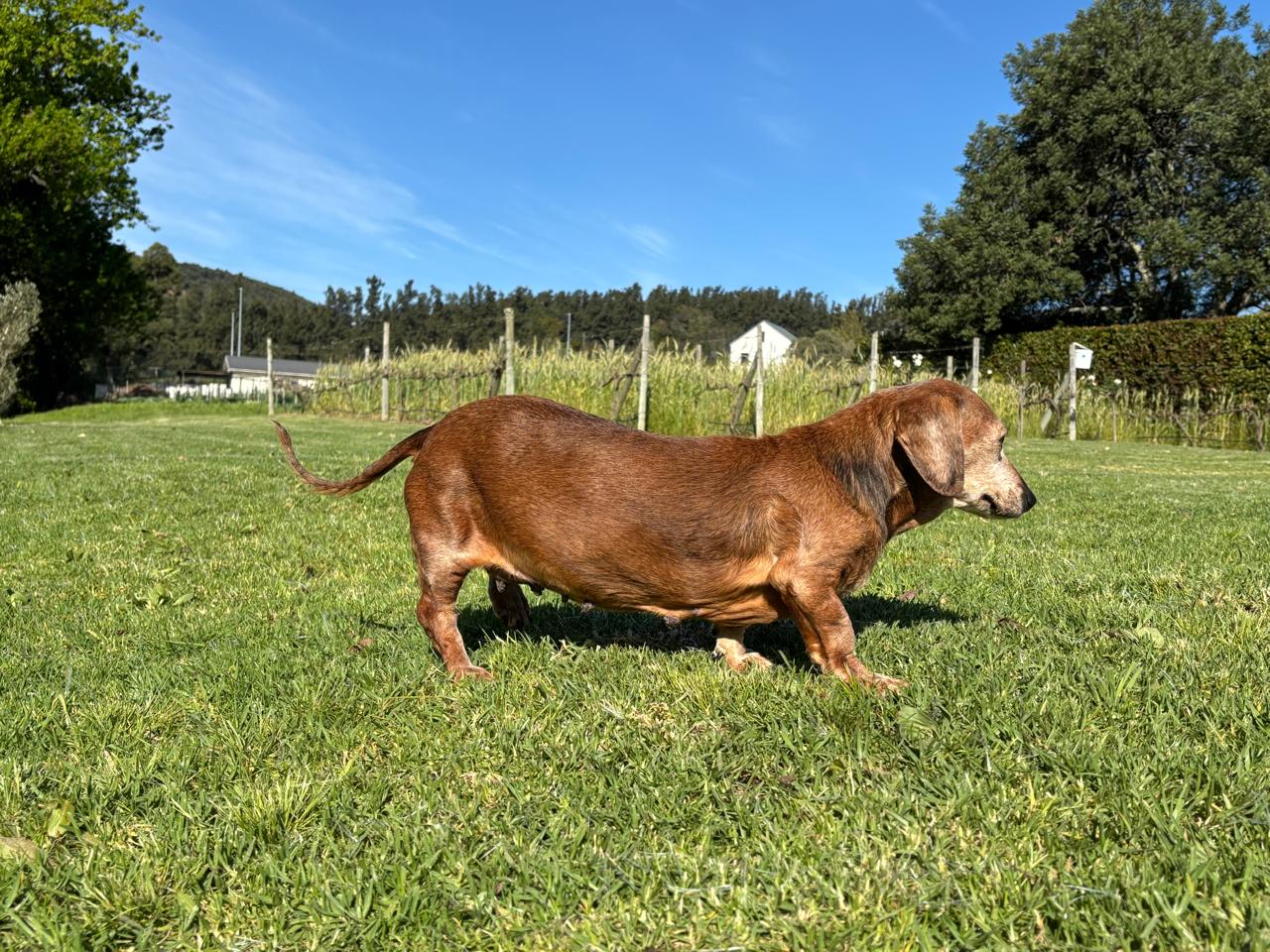
If there’s one thing I’ve learnt padding through these vineyards season after season, it’s how to judge a good wine long before it reaches your glass. Humans swirl, sniff and sip. Dogs? We observe, we sense, and (if you ask Dino) we occasionally stick our noses where they don’t belong.

But today’s lesson is simple, educational and straight from my paws to your palate: why Cabernet Franc and Tannat make the perfect marriage. Think of it as relationship counselling… but for grapes. And trust me, these two complement each other better than a well-aged bone and a sunny spot on the tasting-room stoep.
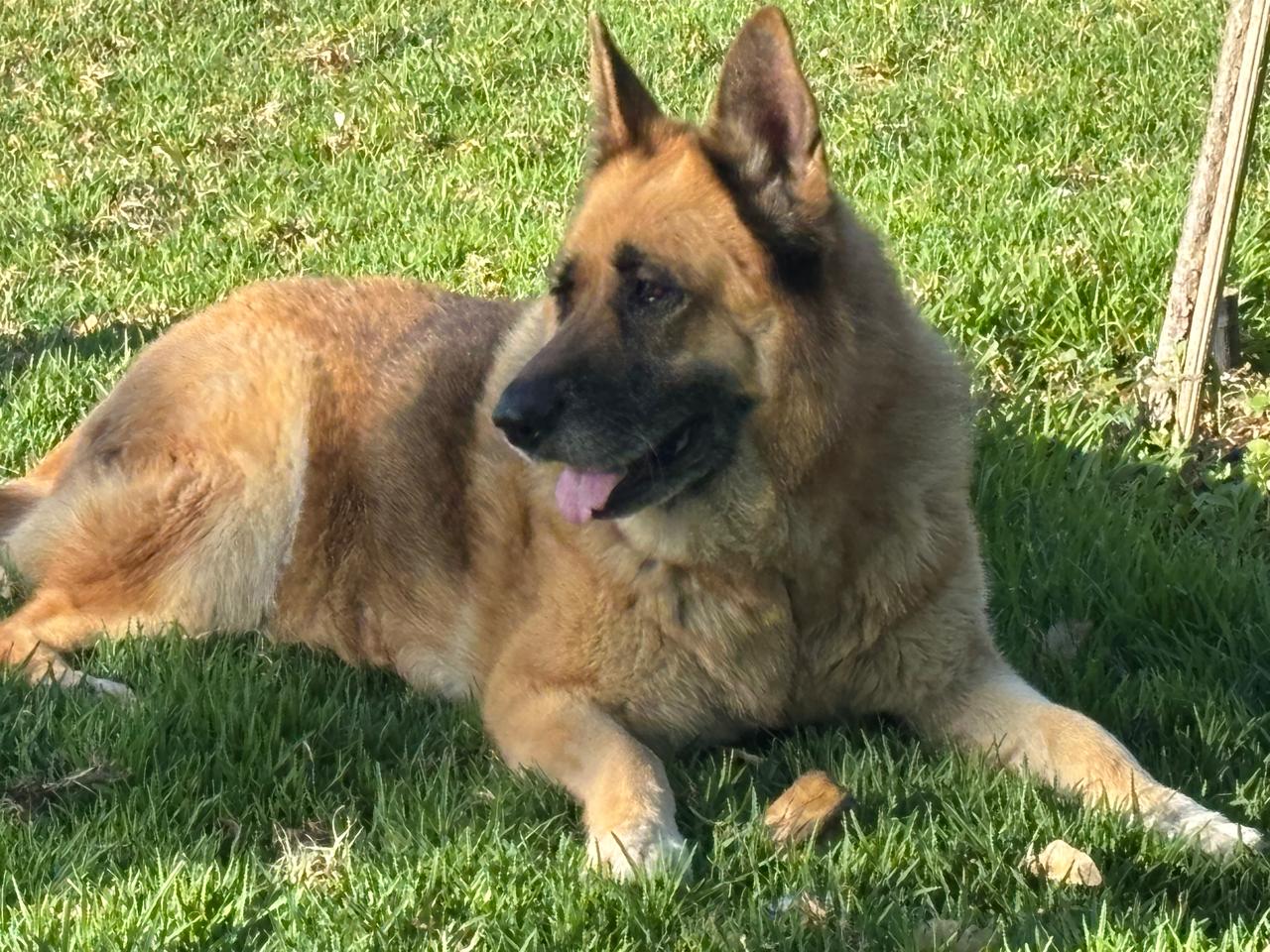
Cabernet Franc: The Elegant One

Cabernet Franc is that graceful, quietly confident character in the vineyard. The kind who walks in with structure, finesse and a bouquet so pretty even Nibby stops barking for a moment.

Personality Traits:

  • Perfumed and aromatic

  • Silky and refined

  • Full of red fruit and gentle spice

  • Medium build, balanced and expressive

Cabernet Franc brings freshness, lift, and beautiful aromatics. But every hero has a shadow, and for Cab Franc, it’s this: sometimes it’s too polite. Too gentle. Too well-behaved. Like Enzo trying to manage harvest chaos with a clipboard and a smile.

That’s where its partner comes in…

Did you know?

Cabernet Franc is one of the parent grapes of Cabernet Sauvignon, giving it many of its signature aromas and elegance.
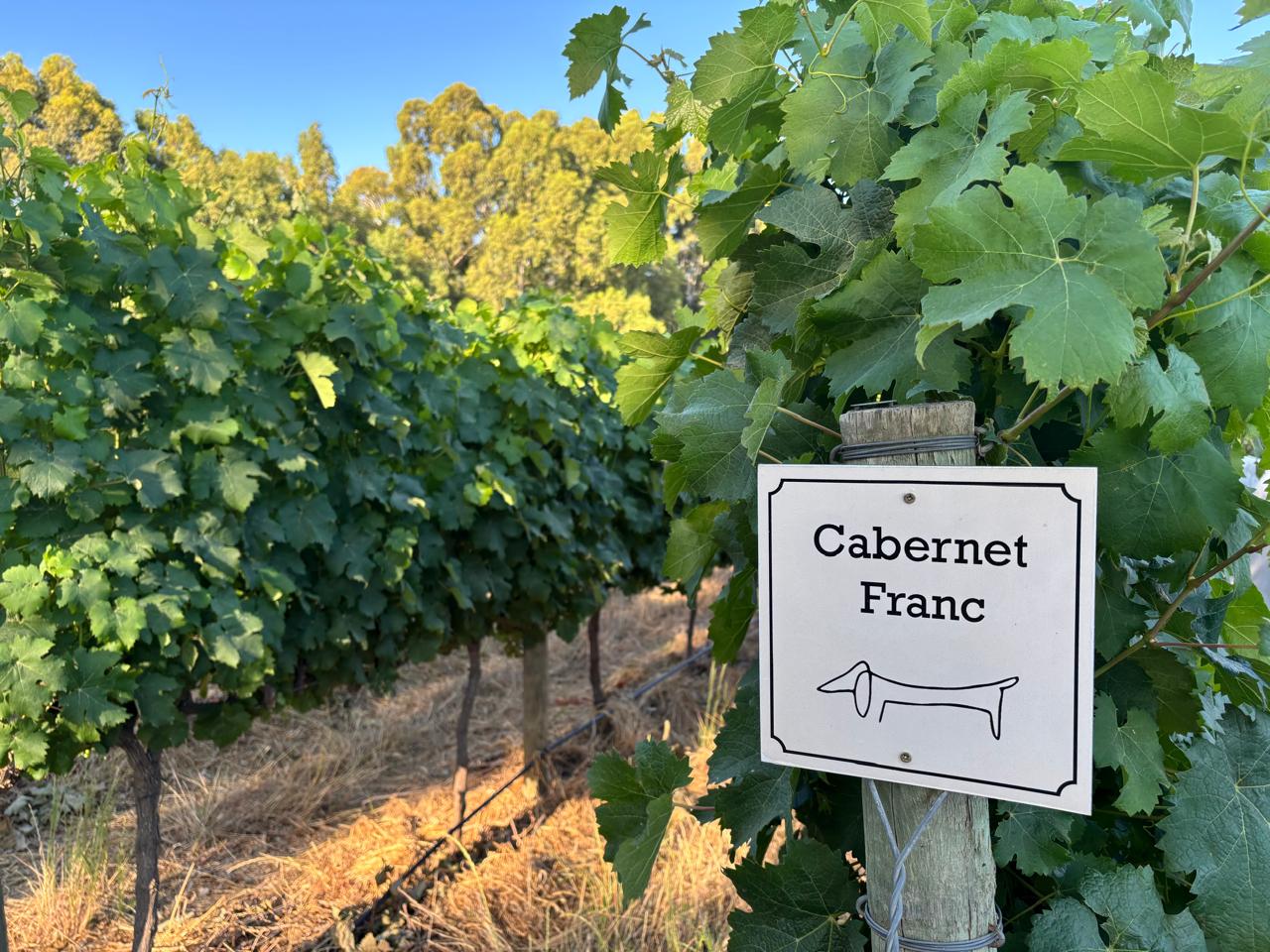
Tannat: The Muscle With a Tender Heart

Tannat is bold. Tannat is powerful. Tannat is the colleague who arrives early, fixes the fence, chases off the guinea fowl and then asks who needs help in the cellar.

Personality Traits:

  • Dark, brooding fruit

  • Firm tannins

  • High natural structure

  • Built to age for years

But even strength needs balance. Tannat alone can sometimes be a bit… intense. The sort of wine that, if it were a dog, would accidentally knock over the outdoor furniture while happily wagging its tail.

Did you know?

Tannat is naturally one of the highest tannin grapes in the world, which is why it delivers such incredible structure and ageing potential.
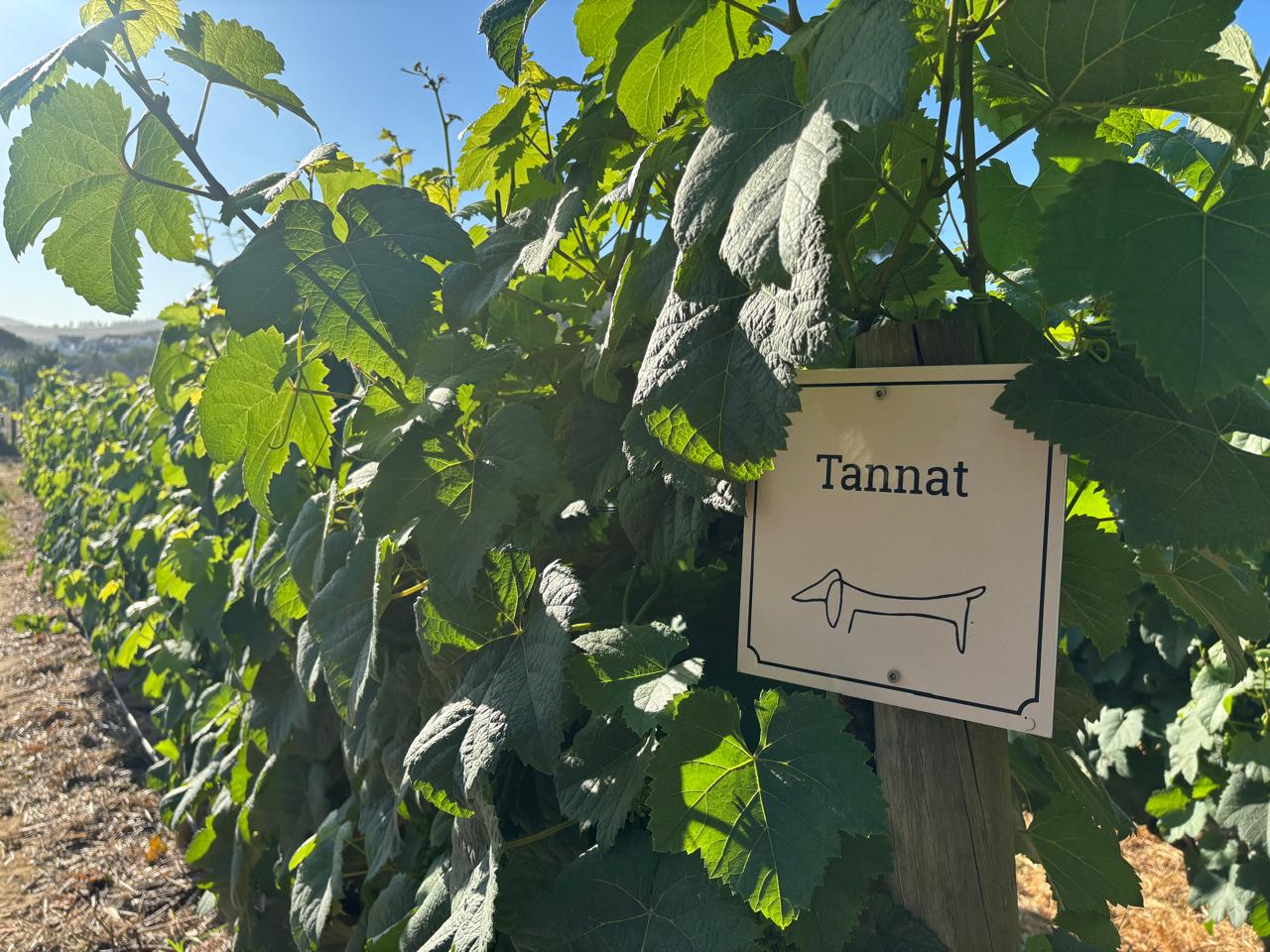
    Why They’re Magic Together

    Now picture these two side by side:

    • Cab Franc with its perfume and elegance

    • Tannat with its depth and power

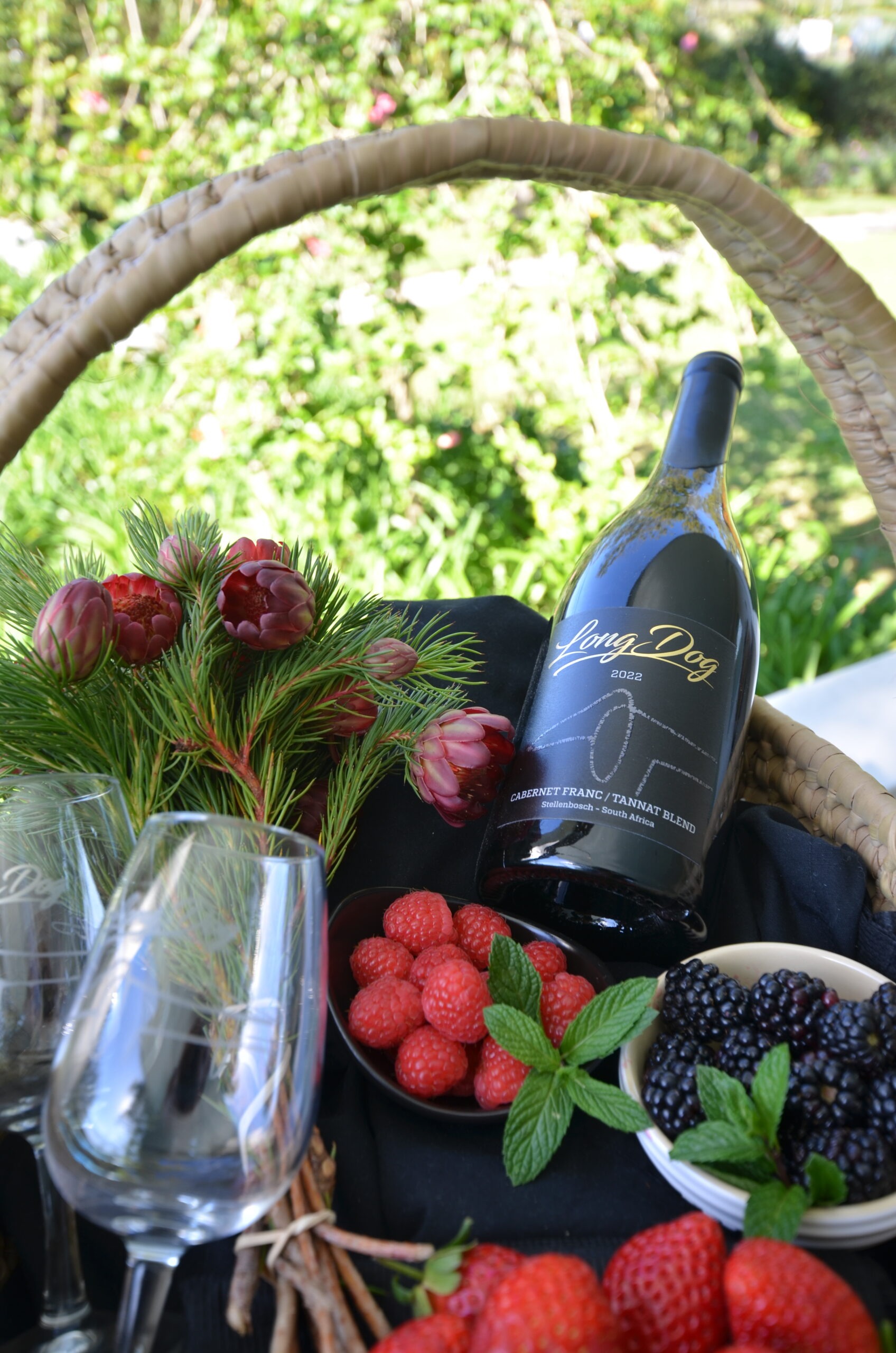
    When they join forces, one fills in the gaps of the other like true vineyard soulmates.

    Cabernet Franc softens Tannat’s edges.
    It brings brightness, aroma and finesse — giving Tannat room to express itself without overwhelming the senses.

    Tannat strengthens Cabernet Franc’s backbone.
    It adds structure, colour and intensity — giving the blend staying power and a long, memorable finish.

    Together, they create a wine that’s beautifully lifted but deeply grounded, refined yet assertive, and complex without being complicated. A bit like Dino and I during harvest: he brings the swagger, I bring the order.

    Did you know?

    Tannat is considered the national grape of Uruguay and is the country’s most widely planted red variety, loved for its rich, bold character and food-friendly structure. Cabernet Franc is also growing in popularity there, with winemakers increasingly blending the two to create elegant, structured wines with great aging potential.

      How to Judge This Blend Without Barking Up the Wrong Tree

      When tasting a Cab Franc–Tannat blend, look for:

      Balance
      Neither grape should dominate. Like a well-run vineyard team, every member should have a role.

      Aromatic lift from the Franc
      Red fruit, flowers, subtle spice — that’s your clue the Franc is doing its job.

      Structured depth from the Tannat
      The grip, the richness, the age-worthiness — that’s pure Tannat muscle.

      A smooth, confident finish
      The best blends walk away gracefully, not in a rush.

      Harmony
      If it tastes like the grapes are arguing, send it back. Life’s too short for bickering wine.
      The Case of the Missing Meaty Goodness

      Some days on Long Dog Farm are calm. The sun warms the vineyard, Dino hums his winemaker’s tunes, Sam inspects the rows like the queen she thinks she is, and Enzo pretends he isn’t asleep on the couch. Peaceful. Predictable.

      And then there are days when the delivery from Ideal Dog Food arrives.

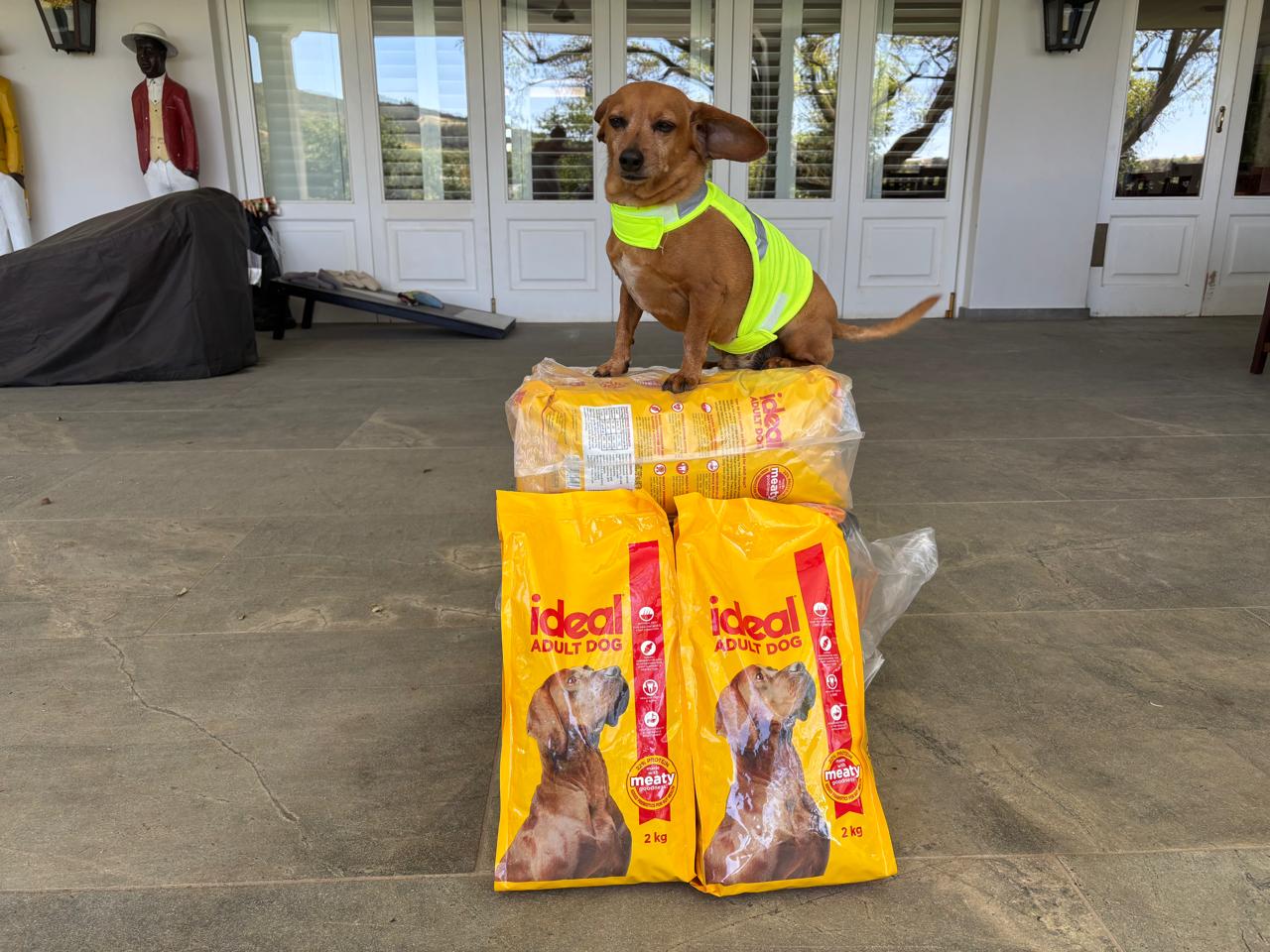
      Let me be very clear: I, Noodle, Head of Security, take delivery days very seriously. Especially when it involves meaty goodness in bulk. Ten bags of “Ideal Meaty Goodness”, stacked neatly on the stoep—living their best, unopened lives. I checked them myself. Twice. I sniffed, I circled, I gave my approval. Everything was in order.

      Or so I thought.

      Did you know?

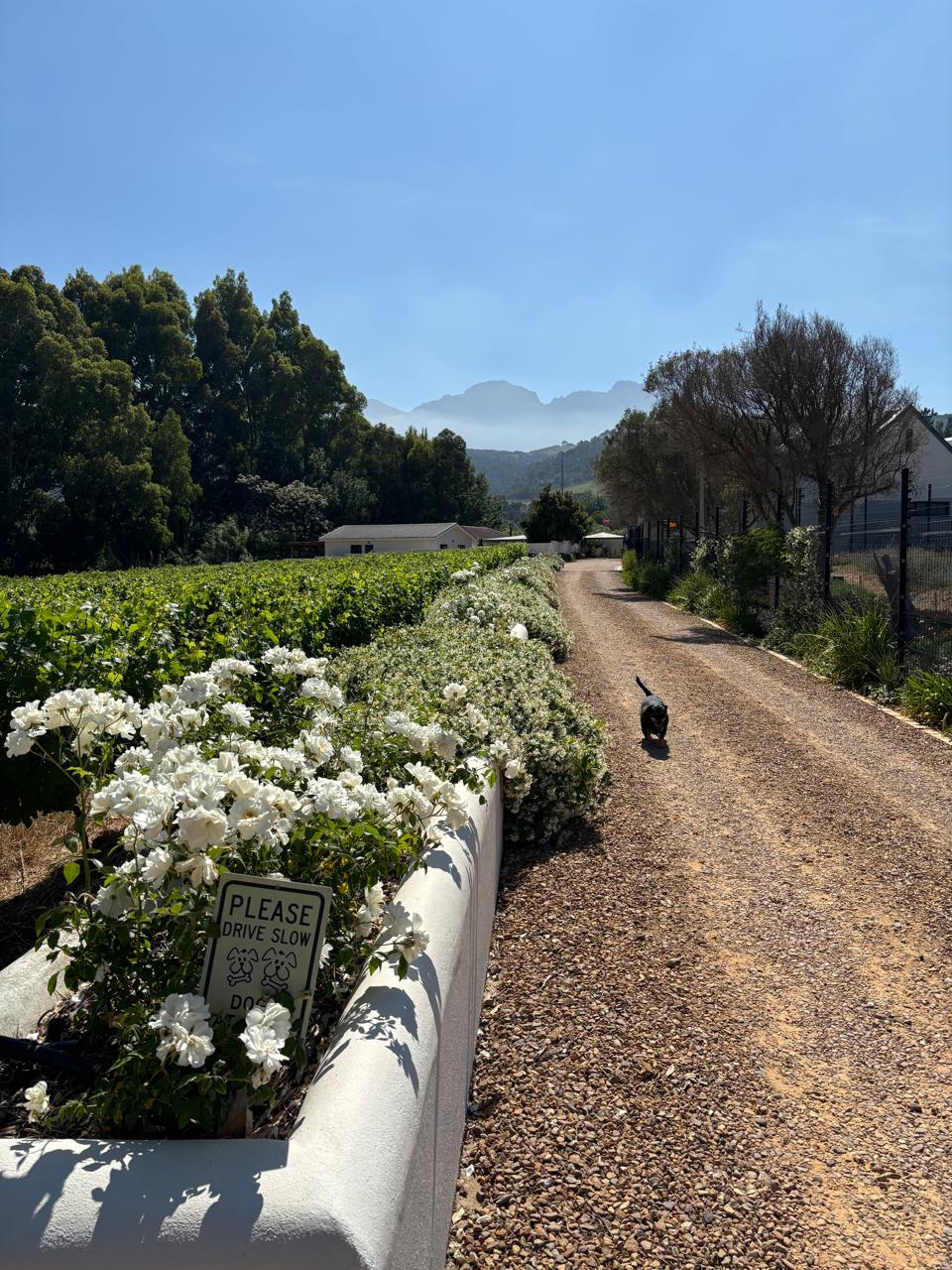
      Some wine farms plant rose bushes at the ends of vine rows. These are not just for beauty, they show signs of disease earlier than vines, acting as natural early-warning indicators. At Long Dog Wines we plant white roses.

       The Discovery

      It was mid-afternoon when I returned for a casual inspection (and perhaps a little taste-test if the opportunity presented itself). The sun was still high, the breeze pleasant, the scent of dry earth and fermenting grapes drifting gently across the farm.

      But something was wrong.

      Two bags — two whole bags — were missing.

      Gone.

      Vanished.

      Like ghosts in the vineyard.

      I froze. My tail stiffened. My ears twitched. This was a breach of security so bold, so offensive, so utterly unsniffed-by-me, that it made my dew claws tingle.

      Someone had taken advantage of a momentary lapse in vigilance. Someone had dared to challenge the fortress that is Noodle’s watch.

      The Investigation Begins

      I sprinted to Sam first because, if anyone was involved in mischief, it would be Dino, and Sam always knows where Dino is. But Sam was busy supervising something she called “trellising adjustments,” which looked suspiciously like bossing the humans around.

      “Missing dog food? Not me, Noods,” Sam said, without looking up. “But Dino was rolling in something suspicious earlier.”

      Of course he was.

      I found Dino behind the cellar, snout muddy, eyes bright, definitely hiding something. But when accused, he laughed so hard his whole body wiggled.

      “Noods, if I stole dog food, you think I’d hide it? No man! I’d be eating it.”

      …Fair point.

      Next I interrogated Ziggy. She loves drama, so I thought she might confess just for the attention.

      “Oh darling, I wish I had stolen it,” she sighed. “Imagine the content! ‘Farm Scandal: Noodle Loses Control.’ Viral, babe. But no, wasn’t me.”

      Enzo? Asleep. Naturally.

      Nibby? Running around with a glove in her mouth. Useless.

      Lassy? Half asleep by the fireplace. Sweet, but highly unlikely. (Her rebellious era is long past.)

      I had hit a dead end.

      Did you know?

      By adjusting trellis wires each season, vineyard managers can improve airflow around the vines. Better airflow reduces the risk of fungal diseases like powdery mildew and botrytis.

        Did you know?

        Many boutique wine farms rely on seasonal workers during harvest because picking grapes by hand is still the gentlest way to protect the fruit. Machine harvesting can bruise grapes, which affects the quality of premium wines.

          The Breakthrough

          When in doubt, visit the humans.

          They’re unpredictable, clumsy, poorly trained creatures — but sometimes, they know things.

          I strutted into the office, tail high, and gave my best “Explain yourselves” look. One of the humans froze.

          “Oh no,” she whispered. “Did no one tell him?”

          Tell me what?
          My eyebrow shot up.

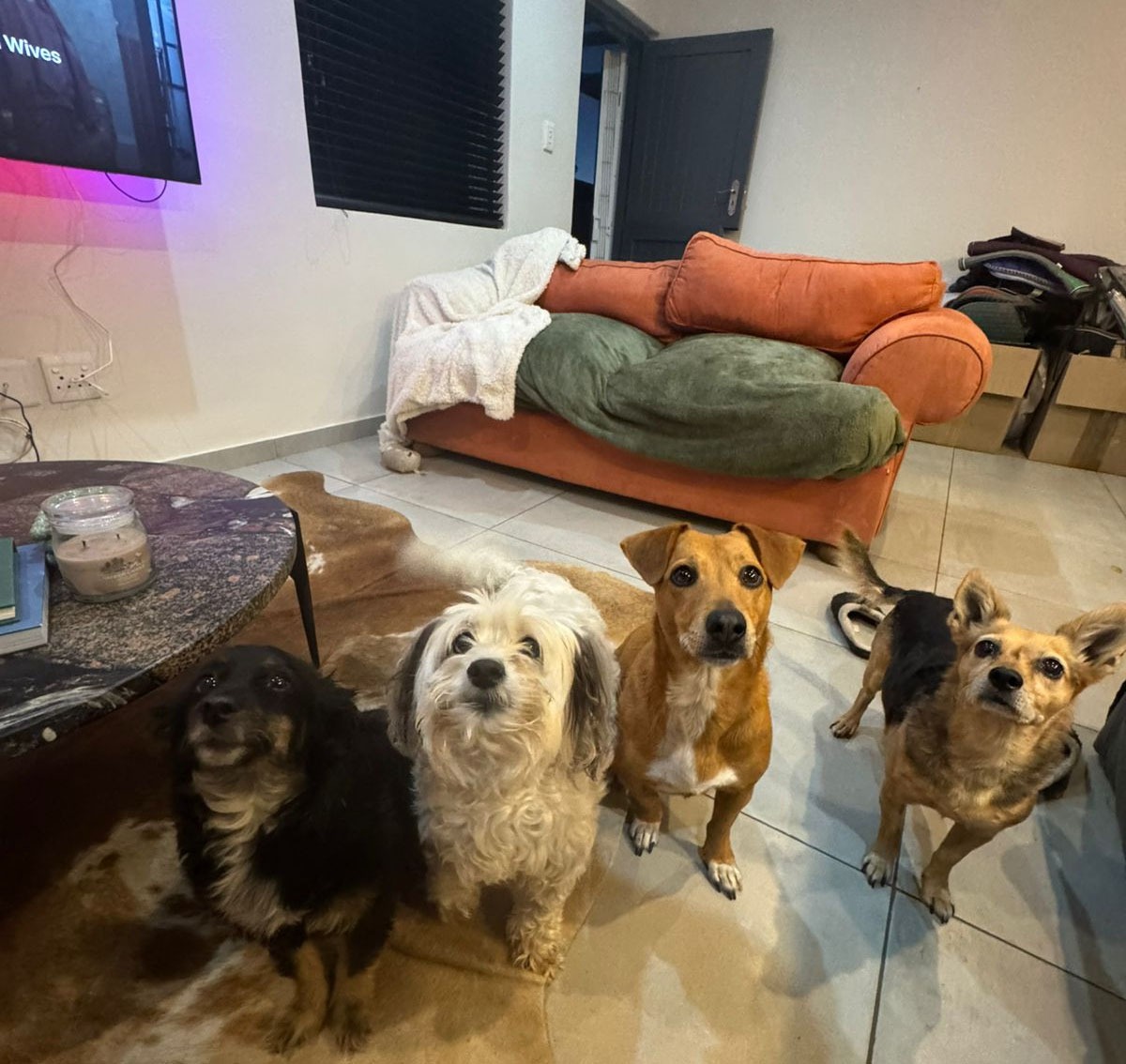
          She continued nervously, “We sent two of the bags to the Seasonal Worker Cottage. You know… where Lucy, Chonky, Zoey, and Fifi are staying this season.”

          I blinked.

          She blinked.

          I blinked again.

          So that’s where my Ideal meaty goodness went.

          Case Closed… For Now

          I marched straight to the cottage to confirm. Sure enough — four wagging tails, four guilty smiles, and two very open dog food bags greeted me at the door.

          Lucy burped.

          Chonky didn’t even bother to hide the crumbs.

          Zoey and Fifi looked at me like I’d arrived to join the feast.

          I huffed, tail flicking. Technically, the humans hadn’t breached security. But they had failed to file the correct paperwork with the Head of Security—me. And that is a reportable offence.

          Still, when Lucy offered me a piece of kibble, I accepted. For morale purposes, obviously.

          You’d think that’s the end.

          But trust me…
          When it comes to farm mysteries, dog food, and the Seasonal Worker gang…

          That is another story entirely.

          Noodle – No nonsense head of security 

          Nibby Takes Charge: Head of Pest Control

          It’s official! I, Nibby, am no longer “the intern.” The collar’s off, the badge is on, and my new title reads: Head of Pest Control. A big job for a tall (and mighty) dog.

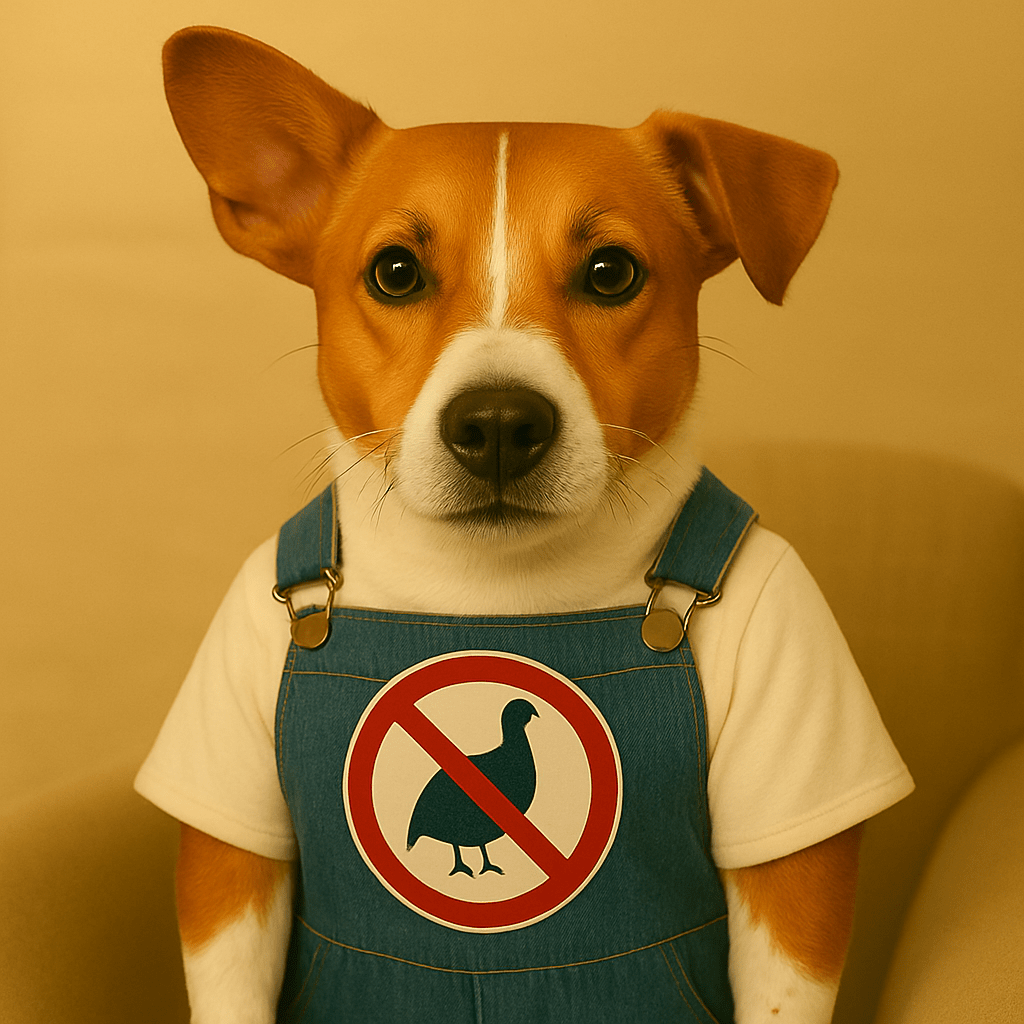
          Now, before you picture me in a hard hat holding a clipboard — let’s be clear. Pest control around here isn’t about traps and sprays. It’s about vigilance, speed, and a well-timed bark. My job is to protect the vineyard from feathered fiends who think our grapes are their personal buffet.

          Did you know?

          Guineafowl and other birds can cause losses of up to 30% of a vineyard’s grape yield if not managed properly. Many farms use trained dogs, reflective tape, or netting to keep them at bay.

          The Great Guineafowl Problem

          If you’ve ever met a guineafowl, you’ll know they’re… loud. Loud and confident. They march through the vines like they own the place, clucking about vintage years and terroir as if they’re wine critics. I, of course, have no time for that nonsense.

          When I spot them swooping in, I spring into action — tail high, paws flying, bark sharp. My mission: clear the rows before a single beak touches a single grape. You’d be surprised how fast they scatter when they see me coming. Sam says I’m “worth my weight in netting.” Dino says I’m “the difference between good wine and great wine.” I’ll take both compliments, thank you.

          Did you know?

          It takes roughly 600 to 800 grapes to make a single bottle of wine. Every cluster counts — which makes Nibby’s grape-guarding duties even more important!

          Enzo giving Nibby some tips to help her in her new job.

          The Menace Mob

          Every now and then, we get a visit from what the humans call the Menace Mob. Nobody’s entirely sure where they come from — perhaps the neighbouring farm, perhaps the shadows. They’re a ragtag bunch of troublemakers: some crafty porcupine, a snake or three, and the occasional squirrel who thinks he’s a daredevil.

          When they show up, I go into full patrol mode. I’ve perfected the art of the midnight perimeter check. Sometimes I catch Ziggy peering from the window, sipping her evening glass of rosé, whispering “Go get ’em, Nibs.” That kind of moral support keeps a dog going through long nights and longer rows of vines.

          Did you know?

          Rosé gets its pink colour not from mixing red and white wines, but from brief contact between red grape skins and juice — usually just a few hours.

            A Nose for the Job

            Truth be told, pest control is more than chasing. It’s about balance. Too few guineafowl, and we get lazy insects nibbling the leaves. Too many, and there’s nothing left for the harvest. Dino calls it “an ecosystem.” I call it “job security.”

            Still, I’ve come to appreciate the rhythm of it all — the hum of bees, the flutter of wings, the smell of ripe fruit in the air. Every grape I guard feels like a small victory, a promise of what’s to come in the barrel room. And when the team raises a glass at sunset, I like to think they’re toasting to me too — the four-legged guardian of the crop.

            Did you know?

            A healthy vineyard ecosystem depends on balance — some birds help control insects, while too many become pests. Vineyard biodiversity is key to sustainable wine farming.

              From Intern to Icon

              Life as Head of Pest Control is busy but rewarding. My paws are dirty, my fur sometimes sticky with grape juice, and my heart? Full. I used to watch Sam and Dino talk about harvest strategy, dreaming that one day I’d have a real job around here. Now I do, and it’s one that truly matters.

              Because here’s the thing: behind every good bottle of Long Dog Wine lies teamwork, from Enzo’s steady farm management to Dino’s magic in the cellar, to me keeping the grapes safe from the guineafowl. We all play our part.

              Nibby, the moment she heard of her promotion.

              Did you know?

              Wine production involves a surprising number of experts — from viticulturists (who manage the vines) to oenologists (who craft the wine) — all working together to turn grapes into the perfect pour.

                So, next time you open a bottle and take that first sip, remember there’s a proud dog behind it who’s been keeping watch, day and night, over the vines.

                Cheers to fewer feathers, fuller barrels, and one very proud Head of Pest Control.

                – Nibby
                Head of Pest Control at Long Dog Wines

                A Day in the Life of Enzo: Farm Manager Extraordinaire

                Sunrise spills over the valley, painting the vines gold. That’s my cue. I’m Enzo — Farm Manager, part-time napper, and full-time guardian of Long Dog Wines. My job? To make sure everything runs smoother than Dino’s best blend.

                The day starts with vineyard rounds. I pad through the rows just as the mist begins to lift — checking for broken shoots, paw prints, or the odd feather left behind by a guineafowl with poor judgment. Our vines grow on ancient shale and clay soils, perfect for deep roots and bold flavours. They say terroir is everything; I say it’s all in the nose — and mine’s never wrong.

                Did you know?

                The soils beneath our vines are a mix of ancient shale and clay. That unique combination gives our wines their depth and minerality — a little taste of the land in every sip.

                By mid-morning, it’s all action. The bakkie rumbles to life, and the vineyard team gets moving. Suckering the vines, checking the trellising, and canopy management are on the agenda. I make sure the humans stay on task — a firm stare usually does the trick.

                Next stop: the cellar. Dino, our winemaker, calls it “the heart of the farm.” It smells like oak barrels and ambition down there. Fermentation tanks bubble softly — yeast transforming grape juice into wine magic. Did you know each grape variety ferments at a slightly different temperature? Dino does. I mostly just guard the snacks.

                Did you know?

                “Suckering” is the careful removal of unwanted shoots that grow on the vine. These little suckers steal energy from the main plant, so by trimming them away, we help the vine focus its strength on producing better grapes and richer wine.

                Making sure the Suckering Team gets every last sucker!

                After lunch, I make my rounds to check on irrigation. We use a sustainable drip system that saves water — every drop counts out here. It’s one of the small ways we care for the land that gives us so much.

                Noodle, our Head of Security, joins me for afternoon patrol. He’s feisty, focused, and takes his job as seriously as I take my afternoon nap. Together, we keep an eye on Ziggy, who tends to “accidentally” lead guests into off-limits areas for photo ops.

                Did you know?

                Our drip irrigation system delivers water directly to the roots, drop by drop. It saves up to 40% more water than traditional methods — a big win in dry South African summers.

                  As the sun dips behind the ridge, the light turns honey-gold across the vineyard. The air smells of dust, grapes, and a day well spent. I sit on the porch, watching the bakkie return. Tomorrow, we’ll do it all again — the same rhythm, the same care, the same love for this patch of land we call home.

                  Running a vineyard isn’t all glamour — it’s early mornings, muddy paws, and plenty of teamwork. But every bottle that leaves this farm carries a little bit of all of us — our soil, our sweat, our stories.

                  And if you ask me, that’s what makes it truly Long Dog.


                    Enzo – Long Dog Farm Manager (and lover of biscuits)

                  Spring Fever: Ziggy’s Guide to Vineyard Style

                  Darling, it’s official, spring has arrived at Long Dog, and I, Ziggy, am absolutely blooming. The air smells like wildflowers and promise, the vines are stretching after their winter nap, and I’ve traded my muddy paws for a bit of sunshine and flair.

                  While Sam is off patrolling the vineyard like a soldier in fur and Dino is buried in barrels somewhere (“fermentation waits for no one,” he says), I’m here to remind everyone that spring is about more than growth, it’s about style, confidence, and fresh beginnings.

                  Vineyard Style Tips 

                  Now, I know what you’re thinking — “Ziggy, how does one stay fabulous among the vines?” Easy. You just need to commit to a look.

                  The Look: Soft greens, crisp whites, and a splash of rosé — and that’s just the outfit and the wine list.
                  The Attitude: Confident, but never corked.
                  The Accessory: A glass that matches your mood (mine’s usually half-full, darling).

                  And for those of you who think winemaking isn’t glamorous — here’s a little industry truth.

                  Did you know?

                  In spring, wineries don’t just sweep up the tasting room; they scrub the cellar from top to bottom. Barrels are rinsed, tanks are sanitised, and even the floors get polished. A single speck of leftover yeast or dust can spoil an entire batch of wine. Hygiene in the cellar is the secret ingredient to those crisp, clean flavours you love.

                  So yes, spring cleaning is very much in season.

                  Spring time is picnic time!

                  A Walk Through the Budburst

                  Each morning, I strut through the vineyard and stop to admire the tiny green shoots pushing through the vines. It’s called budburst — the magical moment when the vineyard wakes up.

                  The air hums with life. Bees buzz, birds chatter, and Nibby (our enthusiastic intern) chases everything that moves. The vines stretch like sleepy dancers, and even Sam softens a little when the sun hits the leaves just right.

                  But here’s a truth you won’t see on the wine labels:

                  Industry truth:
                  Spring is breathtaking… and terrifying. One chilly night of frost can destroy a season’s worth of buds. Farmers hold their breath through every cold snap, praying their vines make it through. That’s the thing about winemaking — it’s beauty and risk, art and agriculture, glamour and grit.

                    It’s a lot like love, really. You put in the work, wait for the right conditions, and hope your heart — or your harvest — doesn’t freeze overnight.

                    Spring Pairings: Food, Fashion, and Flavour

                    Now that the sun’s out and the wines are flowing, let’s talk about pairings. I may not be a sommelier (I prefer a more “sniff-and-see” approach), but here’s my spring shortlist:

                    • Wine: Crisp Sauvignon Blanc for picnics, or a light Pinot Noir for sundown strolls.

                    • Food: Fresh greens, grilled fish, or anything you can eat outdoors with the wind in your hair.

                    • Fashion: A wide-brimmed hat, a relaxed smile, and muddy boots — because even the chicest guest ends up walking the vines.

                    Did you know?
                    Most wineries release their lighter, more playful wines in spring. It’s not just a marketing move — the season’s mild temperatures and longer days are perfect for tasting bright, young vintages.

                    So next time you sip that zesty Sauvignon, remember: it’s basically spring in a glass.

                      Weeds, weeds, where are you? I will find you and get you!

                      Closing Toast – To New Beginnings

                      As the sun dips behind the hills and the vines glow in gold, I find my favourite spot by the cellar door and raise a paw.

                      Here’s to new beginnings, bold colours, and the beauty of growth. To vines and hearts waking up after a long winter. To friendship, flavour, and a good glass of wine that never goes out of style.

                      So go on, darling — drink pink, think green, and always keep your nose in the glass… not the gossip.

                      Until next season,
                      Ziggy 
                      Chief of Charm & Vineyard Muse

                      A Beginner’s Guide to Tasting Wine Like the Experts

                      Hello, dear reader. I’m Lassy. For years, I sat by the fire after long days in the cellar, tasting my way through glasses of red, white, and rosé. People often think wine tasting is a secret skill reserved for sommeliers and connoisseurs, but the truth is anyone can learn it. Tasting wine isn’t about being fancy, it’s about slowing down and noticing.

                      By the end of this guide, you’ll be swirling, sniffing, and sipping like a seasoned taster. All you need to remember are the five S’s: See, Swirl, Sniff, Sip, Savour.

                      Why Tasting Matters

                      Wine is more than a drink, it’s an experience. Each bottle carries the story of the soil, the grape, and the season. When you taste with attention, you connect with that story.

                      Think about how you enjoy a good cup of coffee or freshly baked bread. You notice the aroma, the warmth, and the flavour. Wine is the same: it deserves to be experienced with all your senses.

                      Did you know?

                      • The human nose can detect over 1 trillion scents, while the tongue recognises only five basic tastes: sweet, sour, salty, bitter, and umami.
                      • This means sniffing your wine is just as important as sipping it.

                      Taking a lazy stroll through the vinyard.

                      The Five S’s of Wine Tasting

                      See – Let Your Eyes Drink First

                      Before wine ever touches your lips, your eyes are the first to taste it. Hold your glass against a plain background; a white napkin, a piece of paper, or even a cream wall. Notice the colour. Is it pale lemon like morning sunlight, or golden like honey? For reds, does it glow with youthful purple hues or show signs of maturity with brick or tawny tones?

                      Look at the clarity. A clear wine suggests careful winemaking, while a cloudy one might be unfiltered or faulty. Then, tilt the glass slightly. Do you see the “legs” or “tears” slowly sliding down the inside? These indicate alcohol and sugar levels; slower, thicker legs often mean a richer, fuller wine.

                      Pro tip from Lassy:

                      Think of colour as a preview. Just as a book cover gives you a clue about the story, wine’s colour hints at its age, style, and even flavour profile.

                      • White wines deepen in colour as they age (from pale lemon to golden).
                      • Red wines lighten with age (from purple to ruby to brick-red).

                      Swirl – Wake the Wine Up

                      Swirling is more than theatre — it’s science. When you gently rotate the wine in your glass, you increase its contact with air, helping to release aromatic compounds. These are the first whispers of the wine’s personality.

                      If you’re nervous, place the base of the glass on a flat surface and draw small circles. With practice, you’ll be swirling mid-air like a pro. As the liquid coats the glass, notice how it clings or flows. A wine that forms thick, slow-moving streaks may be high in alcohol or sugar, while lighter wines move quickly and cleanly.

                      Pro tip from Lassy:

                      A quick swirl is like opening a window in a stuffy room. Suddenly, everything inside the wine comes alive.

                      Try This at Home
                      Pour two tastings of the same wine. Swirl one, leave the other still. Smell both. Notice how the swirled glass has more pronounced aromas? That’s the magic of a swirl.

                        Sniff – Unlock the Aromas

                        Your nose is your greatest ally in tasting. Bring the glass to your nose, close your eyes if you like, and take a gentle sniff. Avoid big gulps of air — short, delicate breaths reveal more.

                        At first, you might only notice one or two scents. That’s perfectly fine. Over time, your nose will pick up more. Aromas fall into three main categories:

                        1. Primary aromas – from the grape itself. Think fresh fruit, flowers, or herbs.
                        2. Secondary aromas – from winemaking. Yeast, butter, cream, or bread-like smells.
                        3. Tertiary aromas – from ageing in bottle or barrel. Vanilla, smoke, leather, dried fruit, even earthy notes.

                        Pro tip from Lassy:

                        Don’t be afraid to say what you smell – even if it’s something unusual, like pencil shavings or wet stone. Wine aromas are personal.”

                        Common Aromas

                        • Sauvignon Blanc: gooseberry, lime, freshly cut grass.
                        • Chardonnay: apple, butter, vanilla.
                        • Cabernet Sauvignon: blackcurrant, cedar, tobacco.

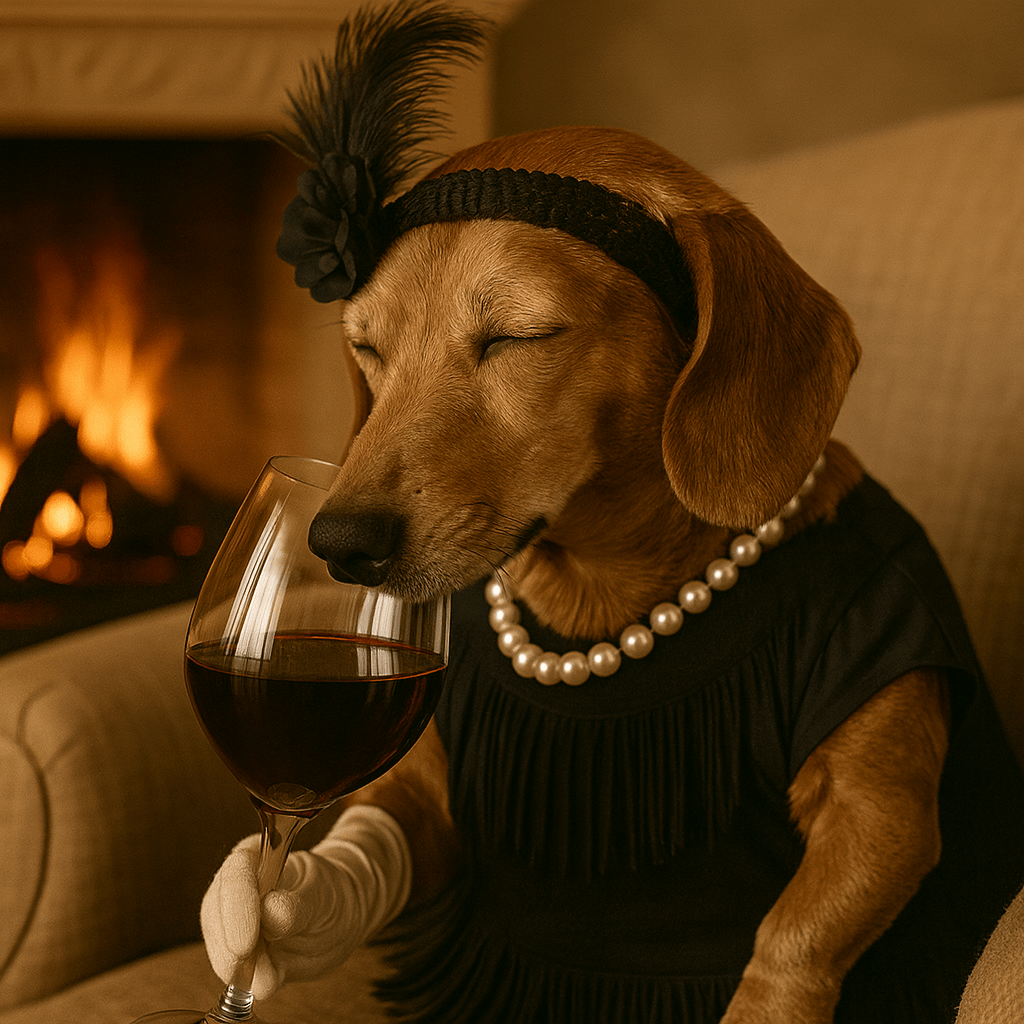
                          Poor thing, she was concentrating so hard she missed the glass. Old age!!!

                          Sip – Let Flavour Dance on Your Tongue

                          Now the moment you’ve been waiting for: tasting. Take a small sip and let the wine roll gently around your mouth. Different parts of your tongue detect different tastes:

                          • Sweetness on the tip.
                          • Acidity on the sides.
                          • Bitterness at the back.
                          • Umami spread across the tongue.

                          Notice the mouthfeel: is the wine light and crisp, or heavy and velvety? Pay attention to the balance between fruitiness, acidity, tannins, and alcohol. A good wine feels harmonious, like an orchestra where no instrument drowns out the others.

                          Pro tip from Lassy:

                          Breathe in slightly as you sip. A touch of air in your mouth helps release hidden flavours, just like adding oxygen to a fire makes it burn brighter.

                          Savour – Linger with the Finish

                          After swallowing (or spitting, if you’re at a tasting), pause. This is where the wine tells its final story. The “finish” is how long the flavours linger. A short finish might fade in seconds, while a long one can stay with you for half a minute or more.

                          Pay attention to what remains: is it fruity, spicy, smoky, or perhaps unexpectedly savoury? A long, layered finish is often the sign of a well-made wine.

                          Pro tip from Lassy:

                          Savouring is about memory. Ask yourself, what’s the last note this wine leaves me with? That’s the mark it makes on your palate, and your heart.

                          • Short Finish: Flavour fades quickly.
                          • Long Finish: Flavour lingers on your palate, often a sign of quality.

                          Common Mistakes Beginners Make

                          Even the best tasters started somewhere. Here are a few traps to avoid:

                          • Drinking too fast (slow down, wine rewards patience).
                          • Wearing strong perfume or aftershave (it masks aromas).
                          • Filling the glass too high (you need room to swirl).
                          • Forgetting to have fun (wine isn’t a test, it’s a pleasure).

                          Closing Thoughts from Lassy

                          Wine tasting isn’t about perfection; it’s about presence. Every glass has a story, and you don’t need years of training to enjoy it. Remember the five S’s — See, Swirl, Sniff, Sip, Savour — and you’ll already be tasting like an expert.

                          Next time you pour yourself a glass of Long Dog Blend, take a moment with me to notice the colours, the aromas, and the finish. You’ll be amazed at what you discover.

                          Lassy, Retired Wine Taster at Long Dog Wines


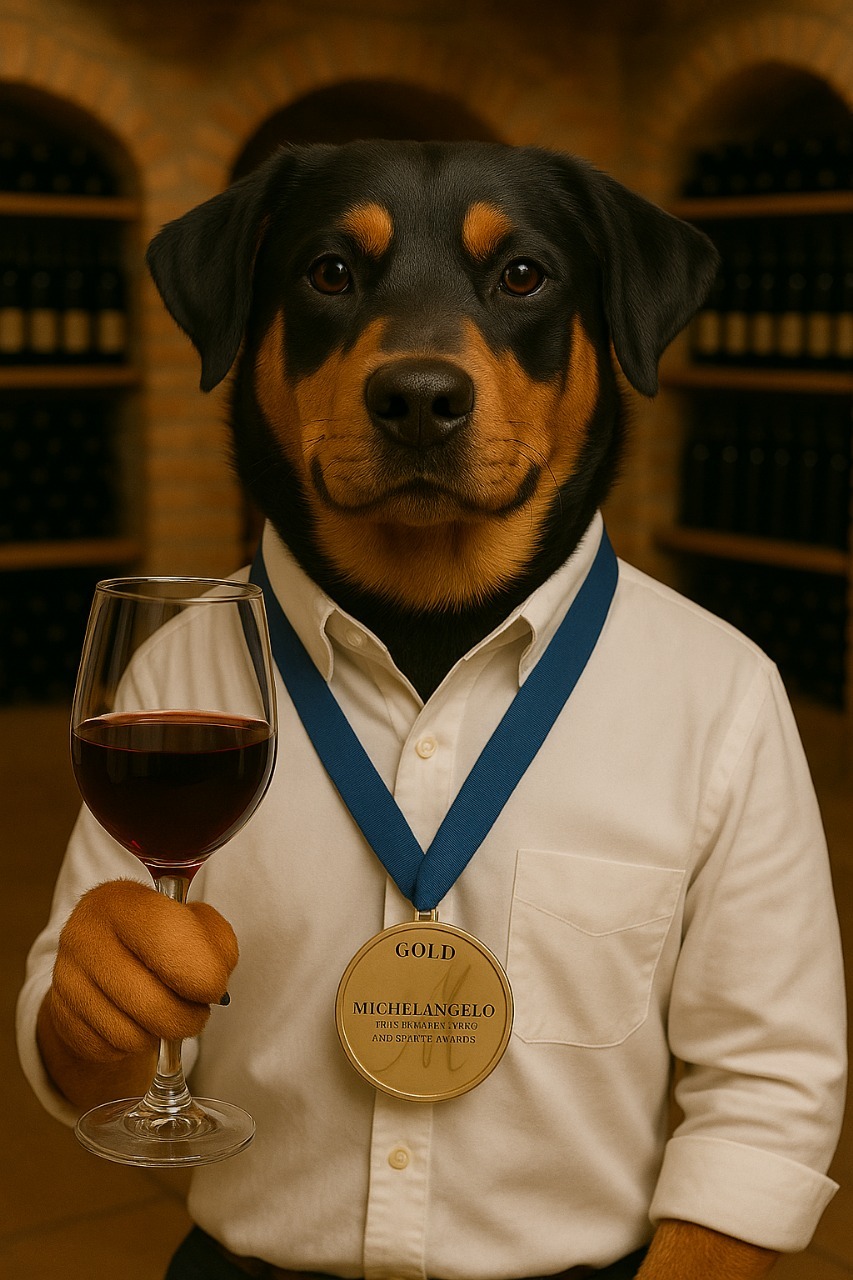
                          Dino’s Big Moment: Long Dog Wines Wins Gold!

                          Sometimes all the long days in the vineyard and the late nights in the cellar pay off in ways that make your tail wag with pride. I’m thrilled to share that Long Dog Wines has just won a Gold Medal at the Michelangelo International Wine Awards!

                          For those who don’t know, the Michelangelo Awards are one of the most respected wine competitions on the continent. Judges from around the world come together to taste wines blind, focusing only on quality, balance, and craftsmanship. To have our wine recognised among such company is a huge honour.

                          Dino, bursting with pride.

                          As the winemaker here at Long Dog, I can tell you this medal isn’t just about one good vintage, it’s about years of careful work. From Sam’s precise pruning in spring, to the careful hand-picking of grapes, to the long hours of fermentation and barrel ageing, every step is part of the story that ended in gold.

                          When we entered, I knew the wine had something special. The fruit was vibrant, the structure balanced, and it carried that unique sense of place that makes Long Dog so distinctive. But awards are never guaranteed. So, when the results came through, I nearly dropped my glass (don’t worry, it was empty at the time).

                          Dino having a celebratory run around the farm.

                          This gold medal belongs to everyone who walks these rows, tends these vines, and believes in the character of our farm. It also belongs to all of you who share our wines at your tables, with friends, family, and the stories that matter most.

                          Tonight, I’ll raise a glass of our award-winner and savour not just the flavour, but the journey that brought it here.

                          Here’s to excellence, to craft, and to the joy of sharing a wine that now shines a little brighter.

                          Cheers,
                          Dino

                          Spring in the Vineyard: Why Pruning Matters

                          Spring has arrived at Long Dog, and with it comes one of the most crucial tasks of the year – pruning the vines.

                          Pruning isn’t just about tidying up with a few quick snips. It’s the foundation of a healthy vineyard and the key to producing quality grapes. Each cut influences how the vine grows, how it balances its energy, and ultimately, the kind of wine we’ll be able to make.

                          A well-pruned vine is like a well-trained athlete: it has just the right amount of energy focused in the right places. By removing excess growth, we make sure the plant puts its strength into ripening a manageable number of bunches. Too many shoots and clusters, and the vine exhausts itself, producing grapes that struggle to fully ripen. Too few, and the balance is lost, leaving us with overly vigorous growth and weak fruit.

                          Did you know? – Spurs are the foundation

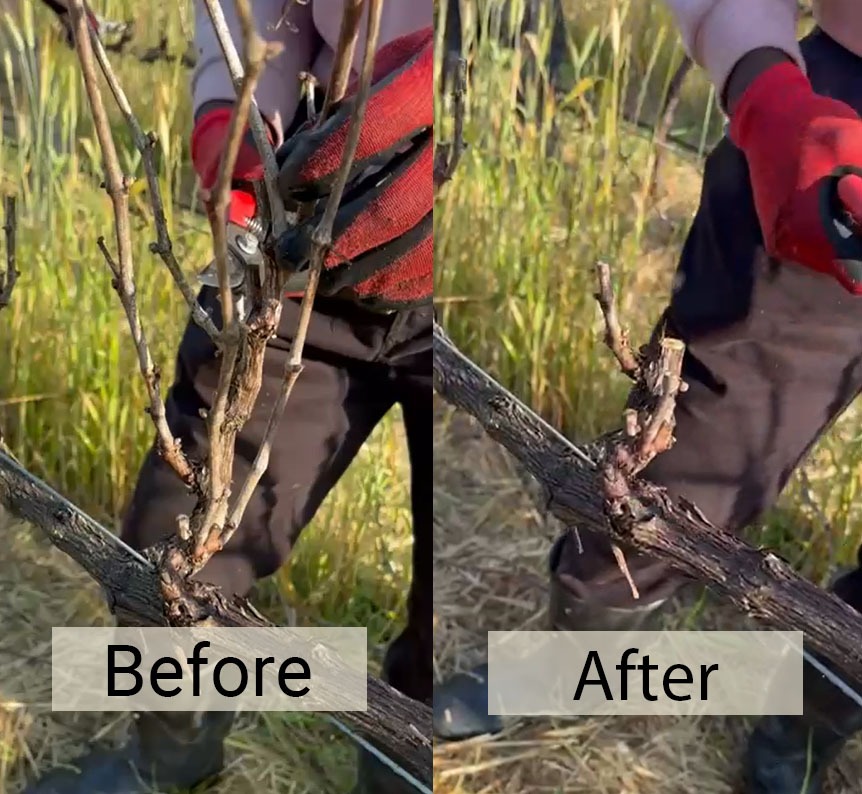
                          When pruning, we leave short stubs of cane called spurs. These are where next year’s shoots will grow from, ensuring the vine stays productive season after season.

                          A Before and After shot of a pruned vine.

                          That’s why I take time to guide the team row by row, vine by vine. We select the strongest canes, leave the right number of spurs, and cut back carefully to encourage balanced growth. Every vine has its own character, and no two require exactly the same approach. It’s part science, part craft, and part intuition developed through seasons of experience.

                          There’s a certain satisfaction in seeing neat rows after the work is done – vines trimmed back, ready to wake up and stretch into spring. It feels less like cutting back and more like setting the stage for the year’s story. The dogs trot alongside us, occasionally chasing a bird or pausing to watch, as if they understand that these quiet spring efforts are the roots of future harvests.

                          Did you know? – Balance is everything

                          Pruning helps the vine strike the right balance between leaves and fruit. Too many bunches, and the grapes won’t ripen properly. Too few, and the vine grows wild with lots of leaves but little fruit.

                          Dino and Sam checking the work on the vines.

                          Did you know? – It is about airflow

                          Proper pruning opens up the vine canopy, letting in sunlight and fresh air. This keeps grapes healthy, reduces the risk of fungal diseases, and ensures even ripening.

                          Pruning is patient work. It’s not glamorous, but it’s what gives the vineyard its rhythm, its strength, and its promise. With each careful snip, we’re shaping not only the season ahead but also the wines that will carry the spirit of this land into every glass.

                          Here’s to another season – balanced, healthy vines and the stories they will tell.

                          — Sam

                          Nibby: Long Legs, Big Heart, and Boundless Energy

                          Every good team has that one member who brings the sunshine, the kind soul who’s always up for anything, never says no, and somehow manages to be everywhere at once. At Long Dog Wines, that’s Nibby.

                          Nibby is our long-legged intern. She’s still finding her niche (and that’s perfectly fine), but in the meantime, she’s mastering the art of being everywhere we need her, exactly when we need her, usually arriving in a joyful blur of wagging tail and enthusiasm.

                          Hi, I’m Nibby. How can I help you?

                          From the vineyard to the cellar, from the tasting room to the delivery van, Nibby runs on good vibes and genuine excitement. Need someone to greet guests? She’s at the door before the bell rings. Need an extra paw in the packing shed? She’s already got the boxes lined up. Forgot your water bottle in the bakkie? Don’t worry, Nibby’s halfway there already.

                          She’s the kind of dog who makes every task feel like an adventure, every moment a chance to learn something new. While Ziggy brings the glamour and Enzo keeps the tools ticking, Nibby brings the spirit, that youthful, can-do energy that reminds us why we love this place in the first place.

                          We’ve seen her helping Sam check the trellises, poking her nose into Dino’s barrels (with permission, of course), and sitting attentively by Lassy’s side at the fire, soaking up stories of vintages past. Even Noodle’s been known to let her take the lead on a security sweep or two, a rare honour.

                          Nibby and Enzo relaxing after a hard days work.

                          And while she hasn’t quite chosen her path yet, will she be a cellar assistant? A marketing maverick? A vineyard whisperer? One thing is clear: Nibby belongs here. She’s loved by all of us, and the farm wouldn’t feel quite the same without her bounding joy and tireless spirit.

                          So here’s to the interns, especially the long-legged, light-footed ones who teach us that showing up, being kind, and running full-tilt toward life is a skill worth bottling.

                          – The Long Dog Wines Family
                          (Posted on behalf of all the other dogs.)