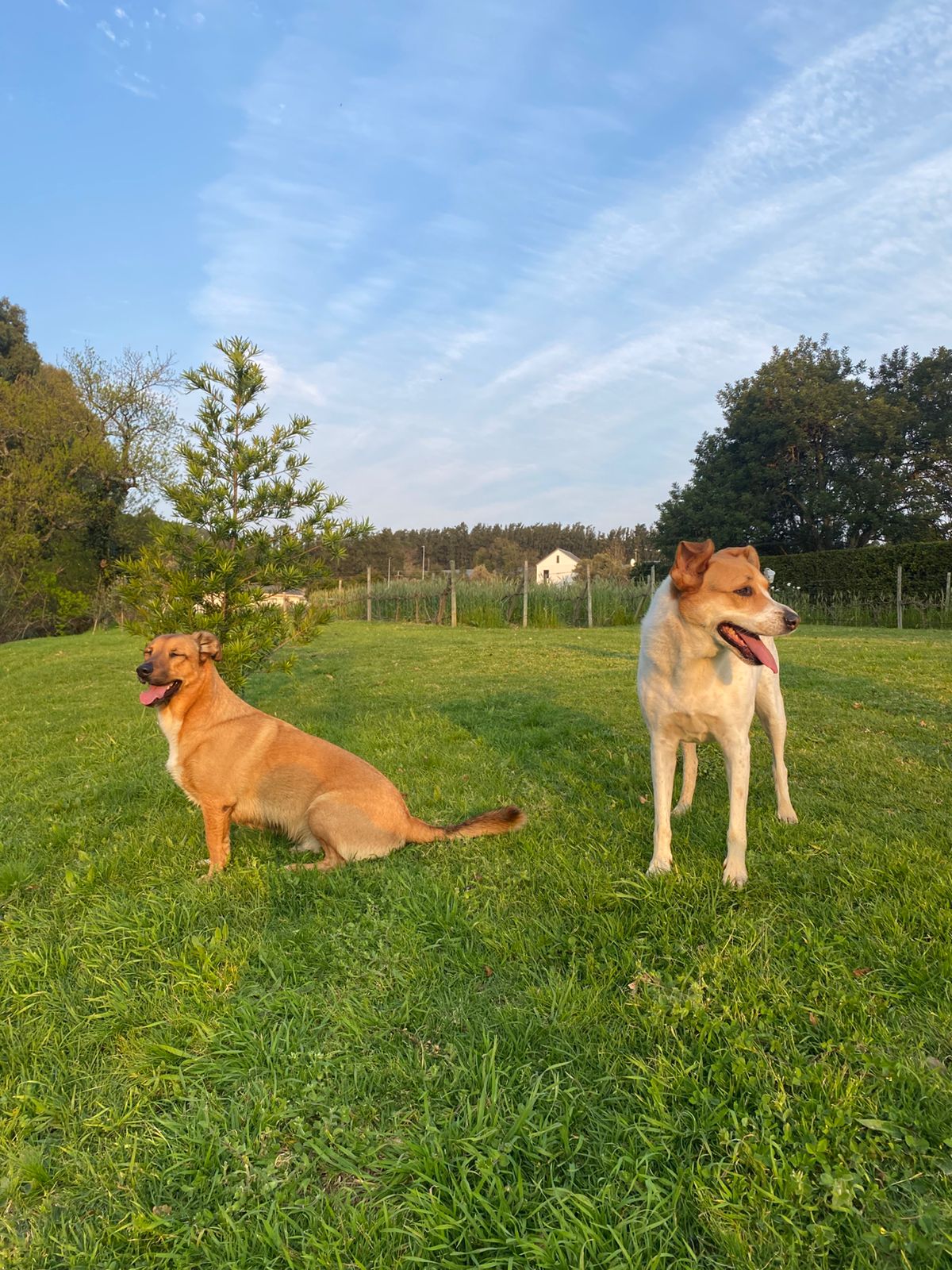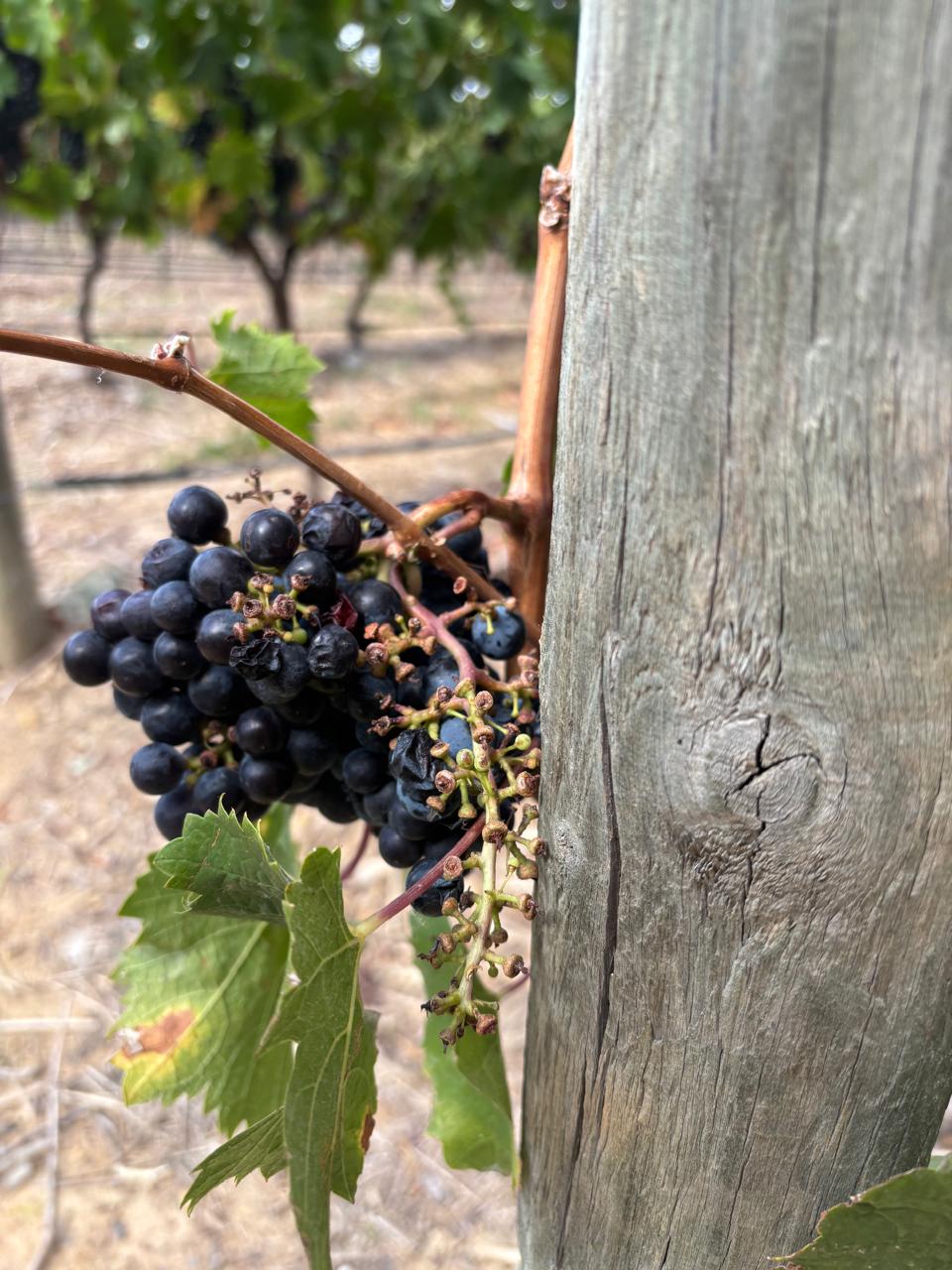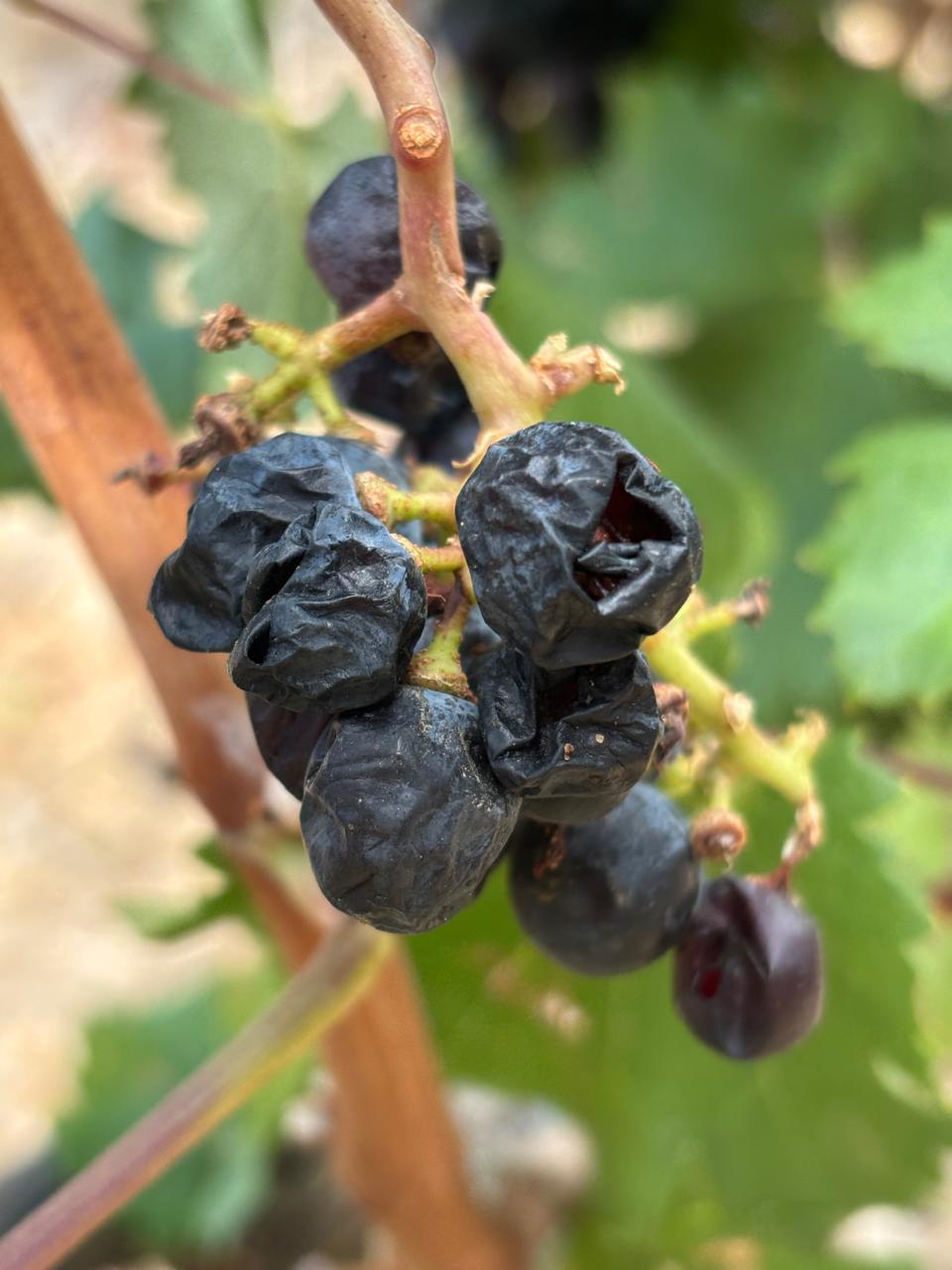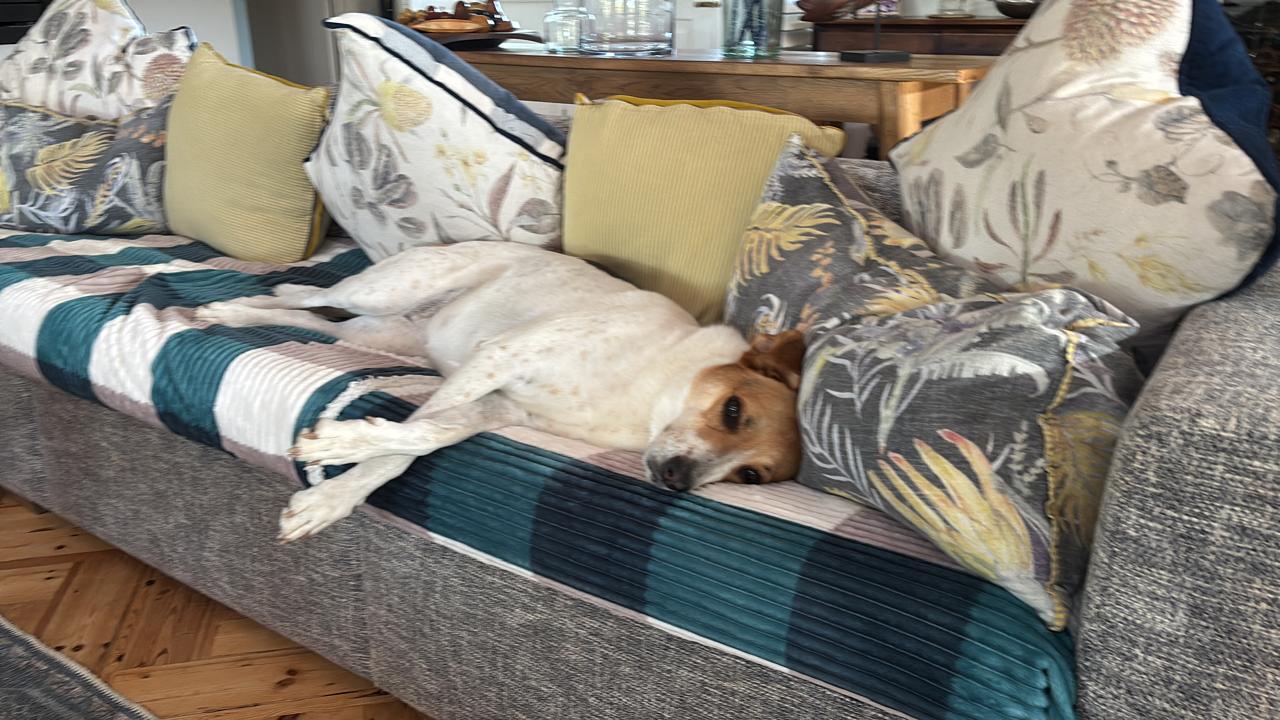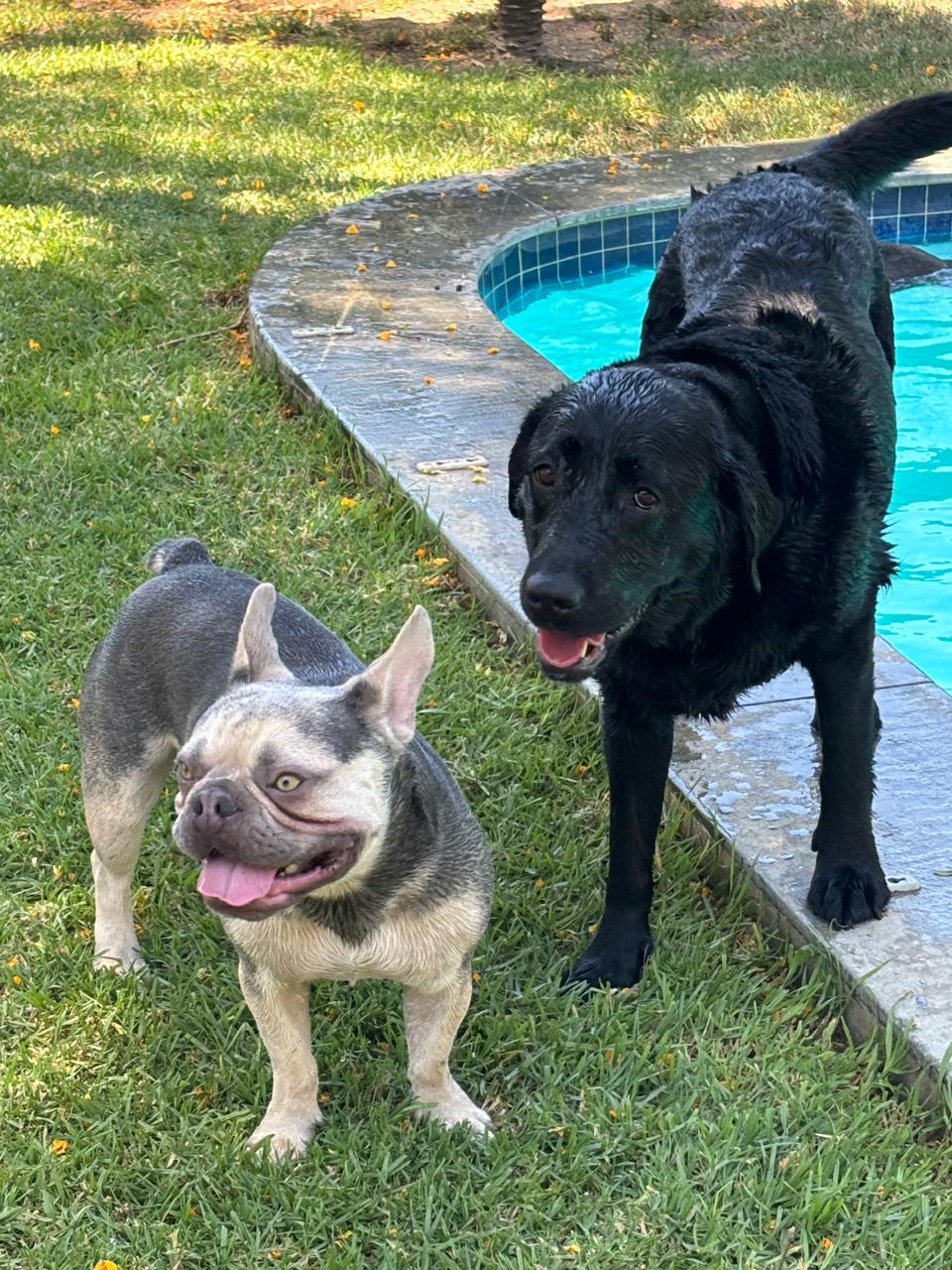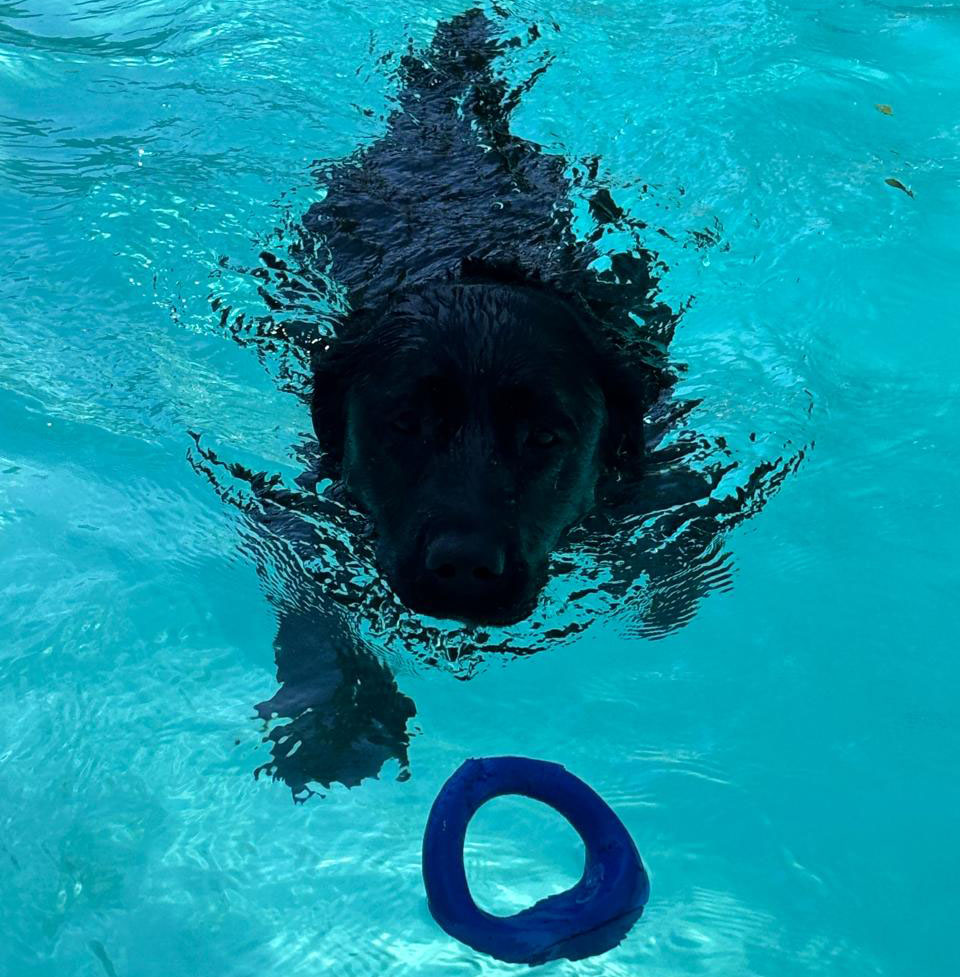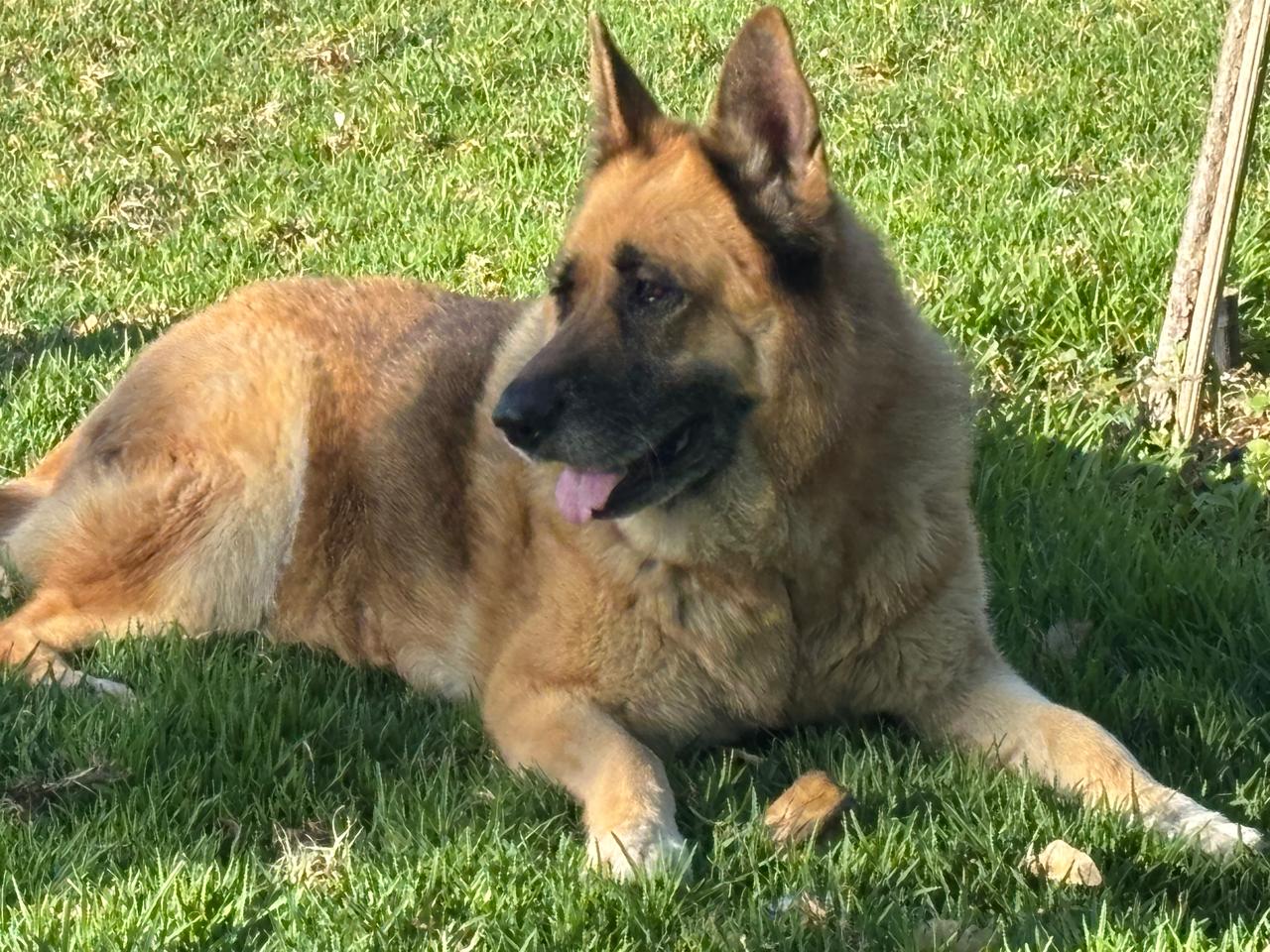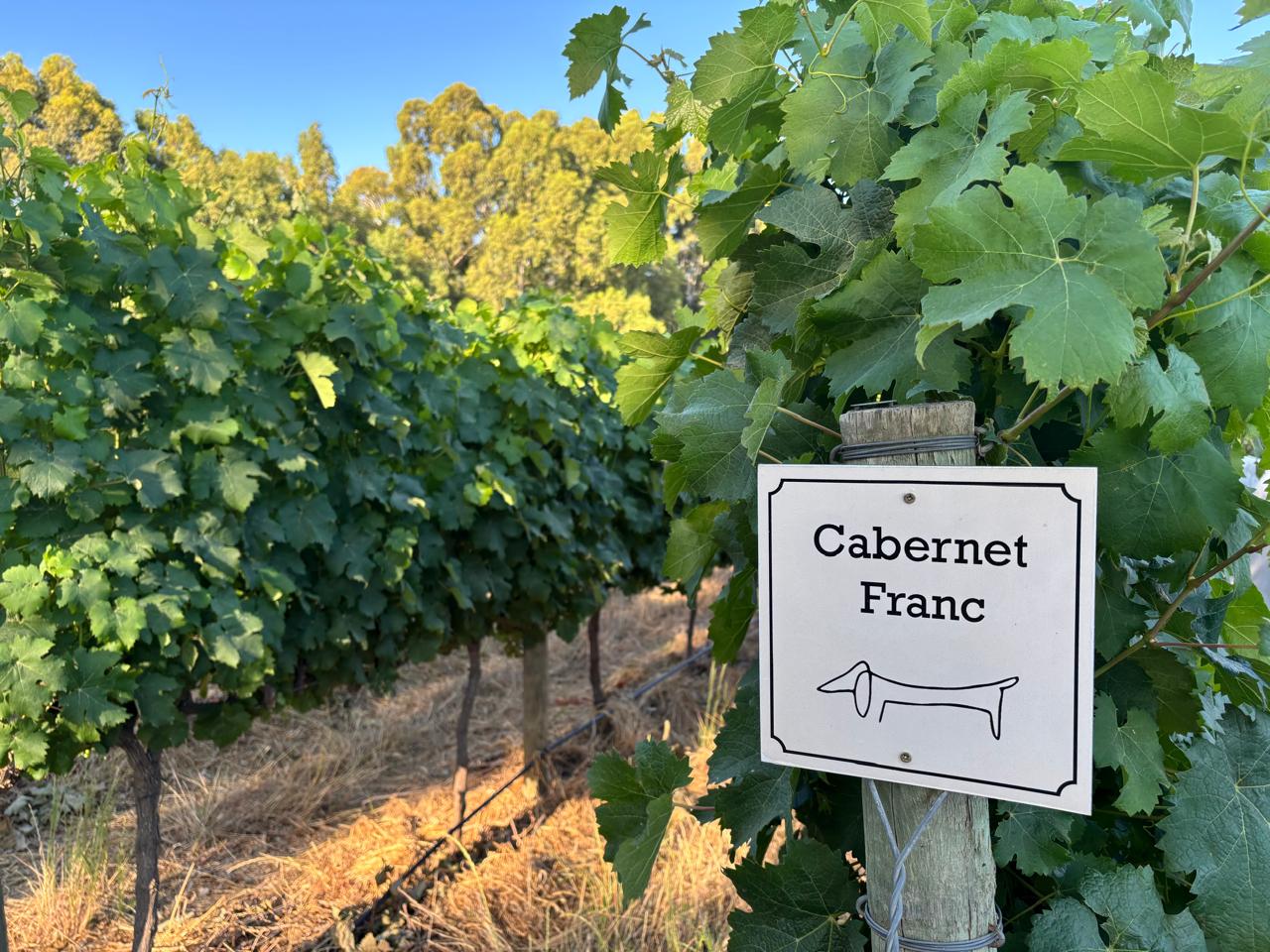
The Hoomans Behind the Harvest

We’ll be honest with you.

We run a very tight operation here on the farm. Strong leadership, clear roles, excellent instincts… it all runs exactly as it should.

But, and this is important, there are a few hoomans who make sure everything actually gets done.

Three, in particular.
Sam Speaking

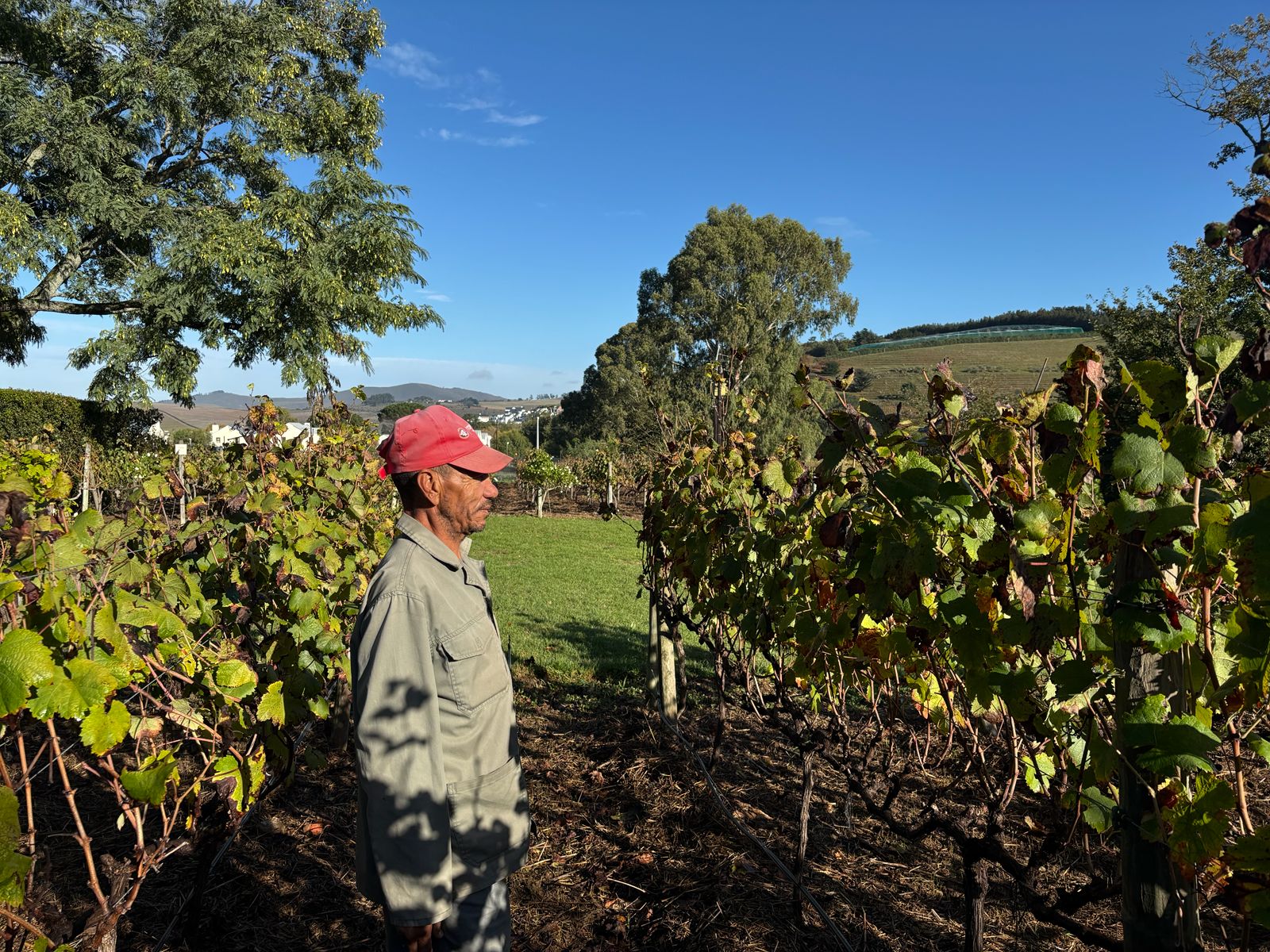
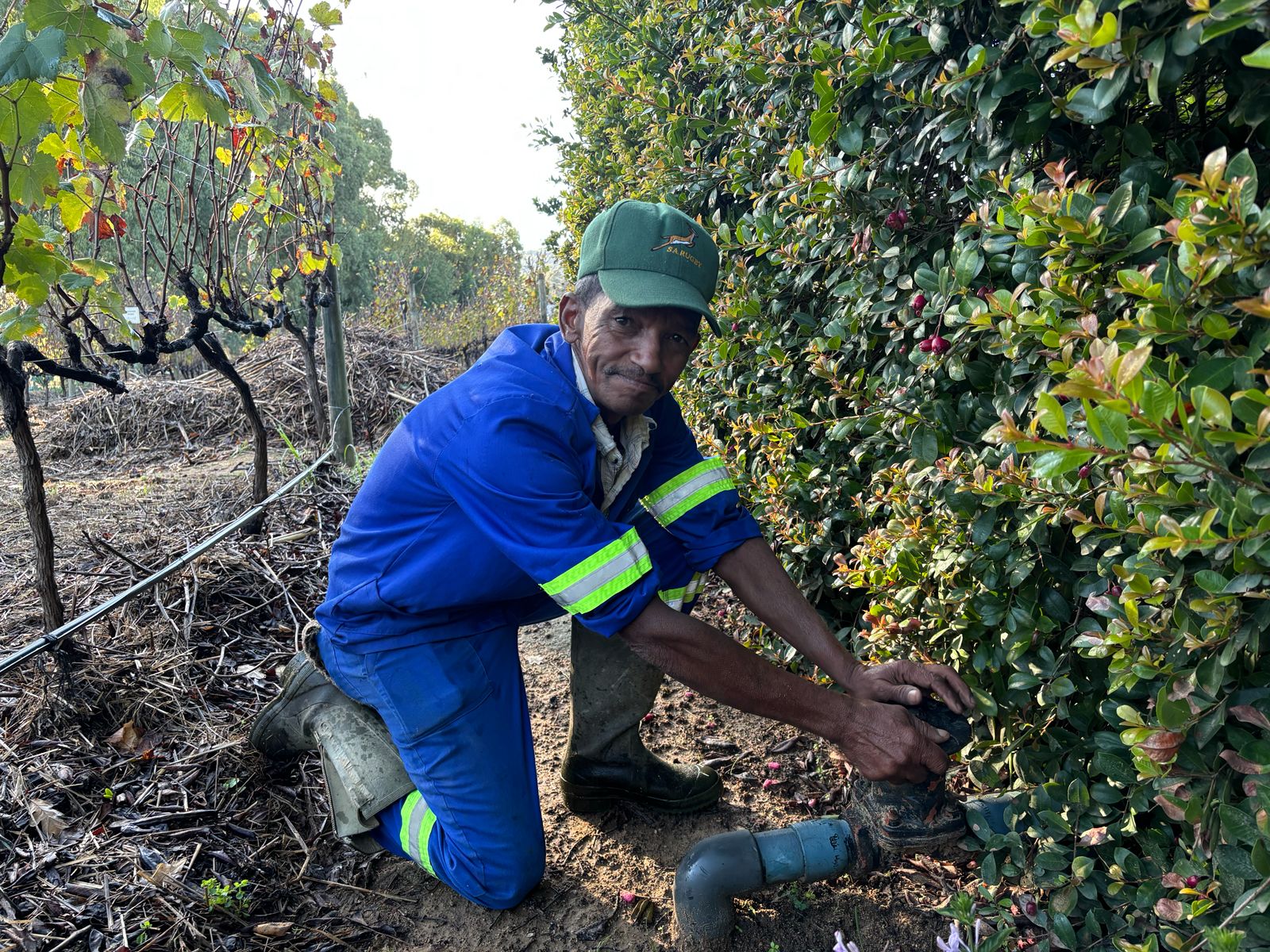
Let’s start with Vlok.

From my side, Vlok is the kind of hooman you don’t have to watch… because he’s already seen everything before you have.

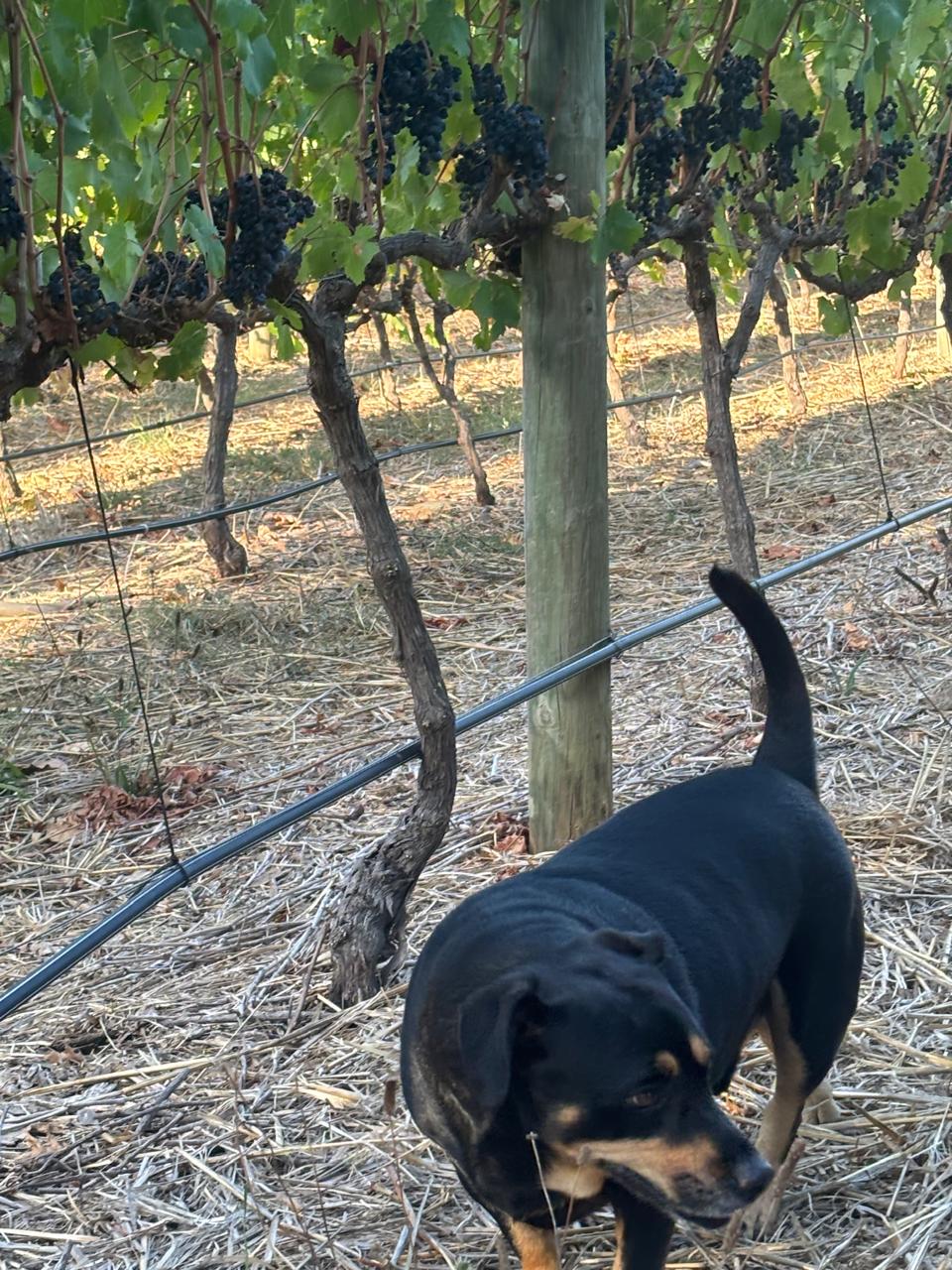
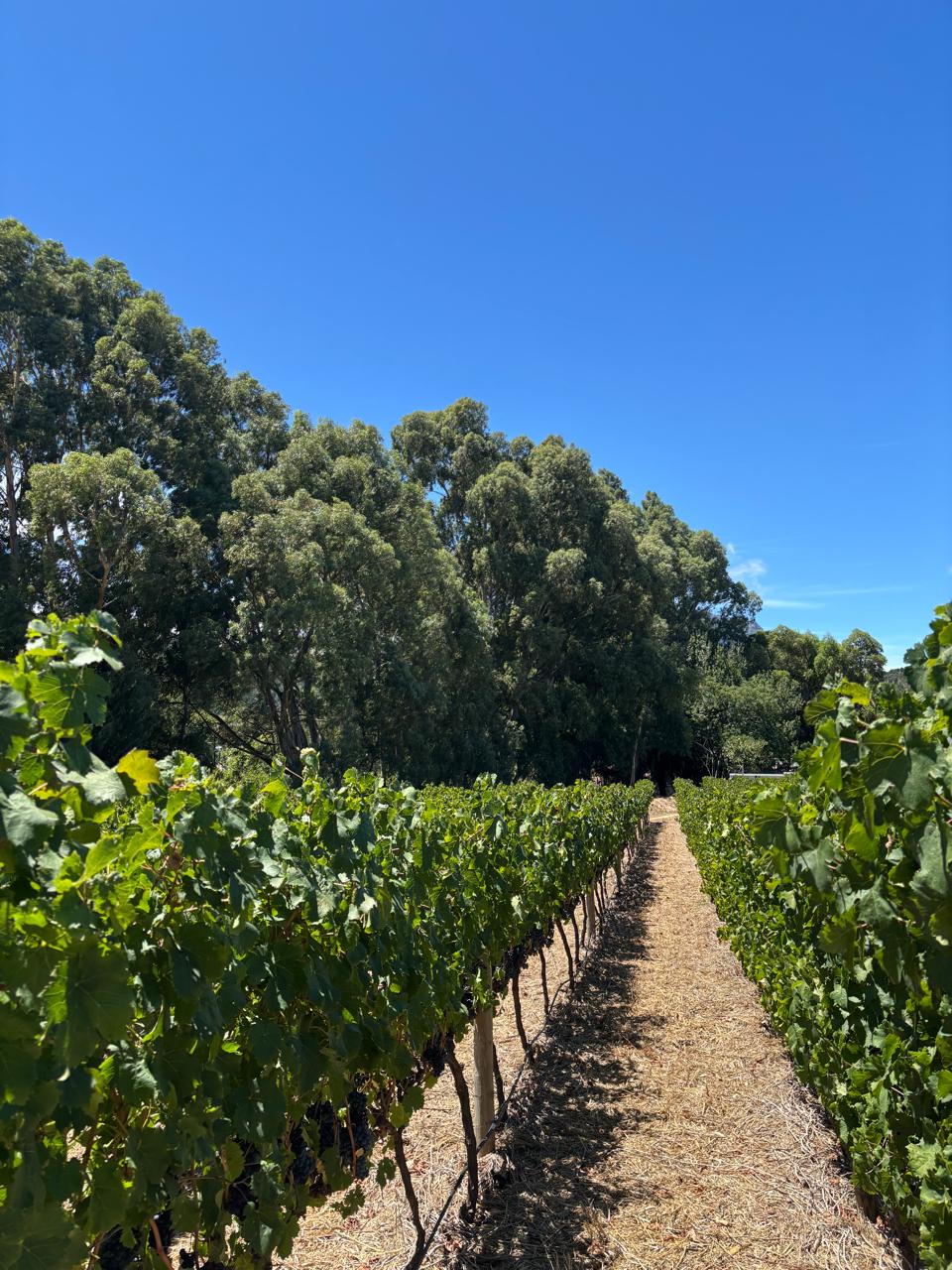
He’s been working vines his whole life. Properly working them. The kind of knowledge that doesn’t come from books or short courses, it comes from years of walking rows, noticing changes, and acting fast.

He arrives an hour early. Every day.

Says he just loves being in the vines.

We believe him.

By the time the rest of the farm is waking up, Vlok is already moving through the rows. Checking, observing, adjusting. The first sign of mildew? He’s on it. Vines need tipping? Done before anyone else has even thought about it.

Steady. Focused. Always on a mission.

A proper vinesman.

Did you know?

Early detection is everything in a vineyard. Spotting issues like mildew early (before they spread) can be the difference between saving a crop and losing it — which is why experienced vinesmen like Vlok are so valuable.
Enzo Speaking

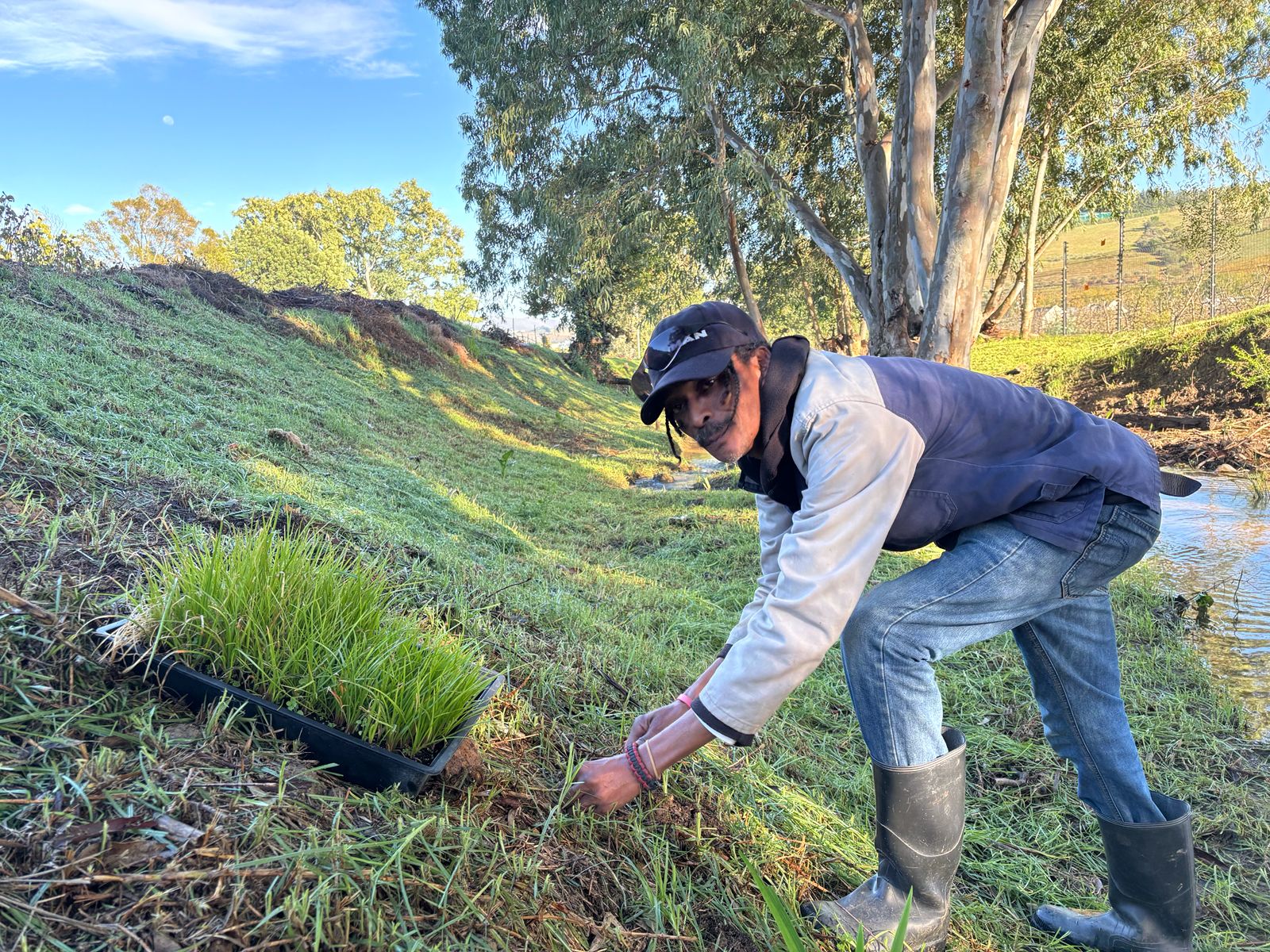
Now, if you want to understand a farm, you need to understand Jan.

Jan has been here for over 30 years.

Thirty.

He knows where every pipe is buried, every valve is hidden, and exactly how the water moves across this land. If something isn’t working, Jan already knows why, and usually how to fix it before anyone else even notices there’s a problem. He can also tell you when a pump is about to fail… just by listening to it.

And then there’s his connection with Sam.

From the time Sam was just a pup, Jan has been teaching her, walking the vineyard together, showing her how to read the vines, how to manage the land, how to pay attention.

You can see it when they move through the rows together. There’s an understanding there. No big instructions. Just quiet, shared knowledge.

Jan doesn’t say much.

He doesn’t need to.

Quiet. Determined. Always helpful.

The kind of person every farm depends on.

Did you know?

Irrigation systems are the lifeline of a farm. Knowing exactly where pipes and valves are, like Jan does, helps manage water efficiently and respond quickly when something goes wrong.
Ziggy Speaking

And then there’s Gilton.

The newest member of the team, but don’t let that fool you.

He came in with his own set of skills, and he’s made himself right at home.

He works in the vines when needed, but where he really shines is in the gardens, especially the vegetable garden. That’s his domain.

Gilton has a thing for growing things.

Shoots, seeds, cuttings… if it can be planted, he’s already got it going. There are always grow bags, dozens of them, with something new sprouting, something taking root, something preparing for its next place on the farm.

You’ll see him moving between them, checking, adjusting, watering.

Quietly building something.

And slowly, those small efforts turn into something bigger, into the gardens that make this place feel alive.

Did you know?

Plants can be grown from more than just seeds. Cuttings and shoots can be propagated to create entirely new plants, which is how Gilton steadily builds and expands the farm’s gardens. After all, Ziggy needs to be surrounded by beauty.

So yes, we run a tight operation.

But behind the harvest, behind the vines, behind the rhythm of the farm…

It’s these three who keep things moving.

Vlok, who sees everything.

Jan, who knows everything.

Gilton, who grows everything.

We just make sure they stay on track.

– Sam, Ziggy & Enzo
All Paws on Deck: Harvest Season

We owe you an apology, dear friends.

This blog is a little late… but from where I’ve been sitting, watching the world go by in a warm patch of sun, I can assure you — it’s not for lack of effort. The farm has been wonderfully, gloriously busy.

If you’ve ever been through harvest on a small, hands-on farm, you’ll understand why. The past few weeks have been a whirlwind of early mornings, long days, and the kind of work that leaves you smelling like grapes, sun, and just a hint of chaos.

The good news? It’s been worth every second.

Did you know?
Once bottled, wine continues to evolve, just more slowly. The 2024 vintage may be sealed, but its story is still unfolding in every bottle.

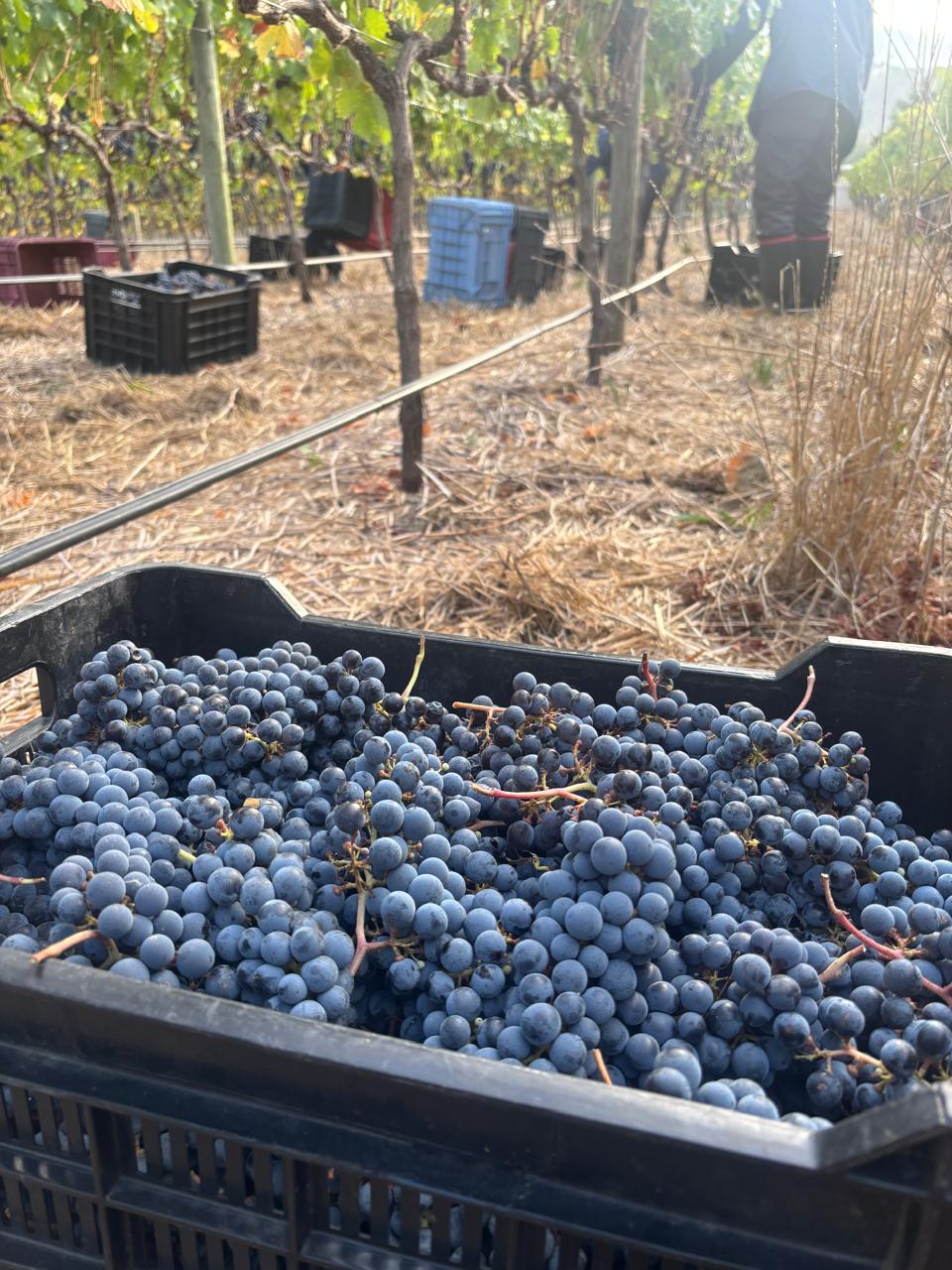
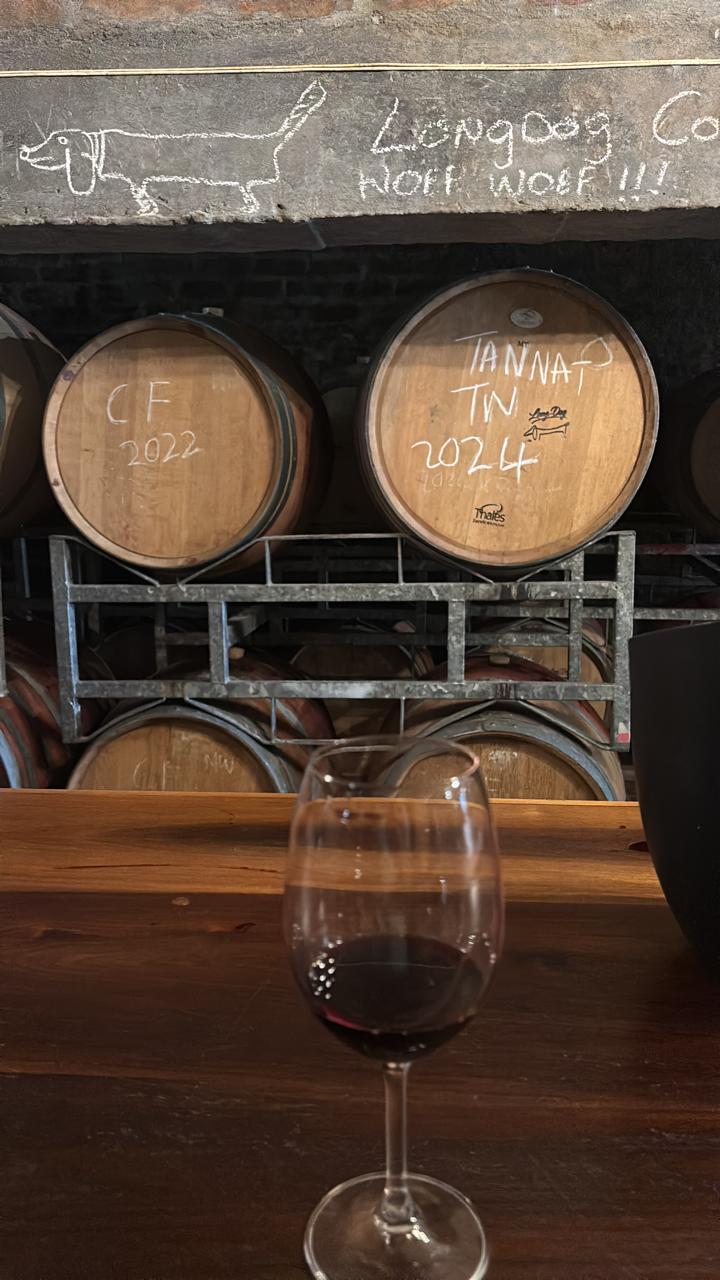
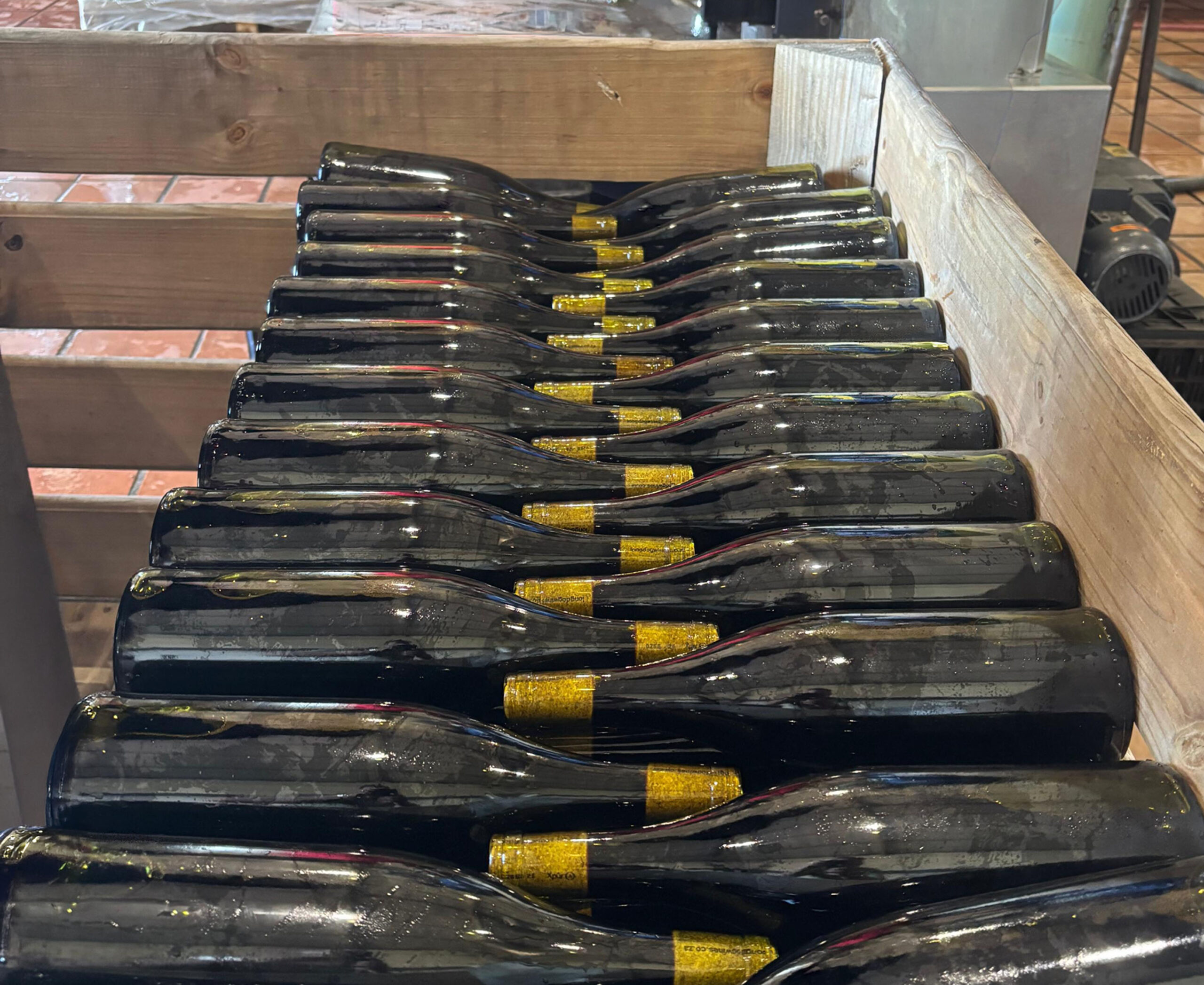
Harvest is officially done. The 2024 vintage has been bottled, always a proud moment, rows of glass filled with a year’s worth of patience and care. Meanwhile, the 2026 vintage has already begun its journey. Primary fermentation is complete, and the young wines are now resting quietly in barrels, settling in for their two-year maturation. From frenzy to stillness… that’s the rhythm of the farm.

But before the calm, there’s the storm.

Harvest time here is truly an all-hands-on-deck operation. And by “all hands”, we do of course mean all paws too.

Sam has been in full vineyard-manager mode; watchful, focused, and quietly making sure every bunch comes off at just the right moment. Dino has been loving life in the cellar, getting stuck into fermentation with his usual enthusiasm (and a bit more mess than strictly necessary). Enzo has been everywhere at once, keeping things moving, lifting, carrying, checking, the glue holding it all together.

Did you know?
Harvest timing is everything. Picking grapes just a few days too early or too late can change the entire flavour of the wine, which is why Sam watches the vineyard so closely before giving the final “all paws on deck” call.

Noodle, as expected, has taken his role very seriously. Security, logistics, quality control… and the occasional unnecessary barking at passing shadows. Someone has to keep standards high.

Ziggy has been less interested in the grapes and more interested in making sure the “story” of harvest is well documented; popping in for cameos, charming the team, and reminding everyone that even hard work deserves a bit of sparkle.

And then there’s Nibby… running laps between vineyard and cellar, trying to help everywhere, succeeding sometimes, and mostly just being loved by everyone regardless.

And me? I watch.

Because beyond the rush, beyond the noise, there is something rather beautiful about harvest. It is a moment where everything comes together; the work, the weather, the waiting, all culminating in something you can hold, bottle, and eventually share.

Did you know?
Wine aged in barrels can spend years developing flavour, structure, and character. The 2026 vintage is already settling in for a long, quiet rest, something I highly recommend.

And now… the farm exhales.

Things are quieter. Slower. The wines are resting where they should be, the vineyard has given what it needed to give, and the long days have softened into something gentler.

But not for long.

I can already feel the shift in the air. The mornings are cooler, the shadows stretch a little further, and there’s a certain kind of preparation beginning to stir beneath the surface.

Winter, you see, has its own work.

And while the others may not have noticed just yet… I have.

I’ll keep my spot in the sun a little while longer, but soon enough, we’ll all be getting ready again.

We’re back, ready to share it all with you a little more regularly again.

Lots of love

Lassy

Harvest Is Calling

By Sam (Vineyard Manager) & Dino (Winemaker)

Sam here.

There’s a particular stillness that settles over the vineyard just before harvest. The air feels thicker. The mornings a little cooler. The grapes hang heavy and confident, like they know their moment has arrived.

And this year?
This year, they are something special.

Row after row, I’ve walked these blocks with a quiet grin. Clusters full and beautifully formed. Skins rich with colour. Flavours layered and precise. More than one visitor has stopped mid-row and said, “These look absolutely fantastic.” I simply nod. Inside, my tail is wagging.

We’ve worked for this.

Winter pruning set the tone. Spring growth came evenly. Summer gave us warmth without cruelty. The balance has been beautiful. Every adjustment — canopy management, water control, timing — has led us right here.

Now it’s almost time.

Did You Know?

Harvest often starts before sunrise. Cooler morning temperatures help preserve flavour, acidity and freshness in the grapes before the day’s heat sets in.

Dino speaking.

From my side of the cellar, I’ve been watching Sam like a hawk. Sugar levels climbing steadily. Acidity holding firm. Seeds turning brown. Skins softening exactly when they should.

I taste constantly. It’s a tough job.

This harvest is shaping up to be our best yet. There’s depth in these grapes. Purity. Structure. The kind of fruit that makes a winemaker slow down and pay attention.

We don’t rush harvest. We wait for alignment — sugar, acid, tannin, flavour. When those four fall into step, we move. And when we move, we move with purpose.

Of course, no harvest happens alone.

Did You Know?

Sugar levels in the grapes are tested regularly before harvest. Timing is everything. Pick too early and the flavours are underdeveloped; too late and the balance can shift dramatically.

Enzo has been quietly making sure tractors, bins and tools are exactly where they should be — no drama, no delays. Just smooth operations from sunrise to sunset.

Noodle has doubled security patrols. Harvest attracts attention, and he’s not about to let any opportunistic visitors near our hard work.

Nibby is everywhere. Checking rows, chasing off feathered troublemakers, and “assisting” in ways only she can, mostly by being enthusiastic and slightly underfoot.

Ziggy is already planning the stories she’ll tell about this vintage, camera angles, captions and all. She says a harvest this good deserves an audience.

And Lassy? She watches quietly from the cellar door in the late afternoons, reminding us that every great vintage carries the memory of seasons past.

Did You Know?

Not all varieties ripen at the same time. Each block is monitored individually, and harvest can stretch over several weeks as different grapes reach perfect ripeness.

Harvest is not just about picking grapes.

It’s the culmination of frost watches and sunburn checks. Of adjusting shoots in the wind. Of walking rows in the heat. Of patience.

Soon, the first crates will arrive at the crush pad. The cellar will hum. Juice will begin its quiet transformation. And the vineyard will finally exhale.

We believe this vintage will carry the signature of a near-perfect season; vibrant fruit, confident structure, and the kind of balance that only comes when nature and timing shake hands.

For now, we walk the rows.
We taste.
We wait.

Harvest is calling.

And we’re ready.

Sam & Dino

Nibby’s War on the Sweet-Toothed Horde

Right.
Let me explain something to you.

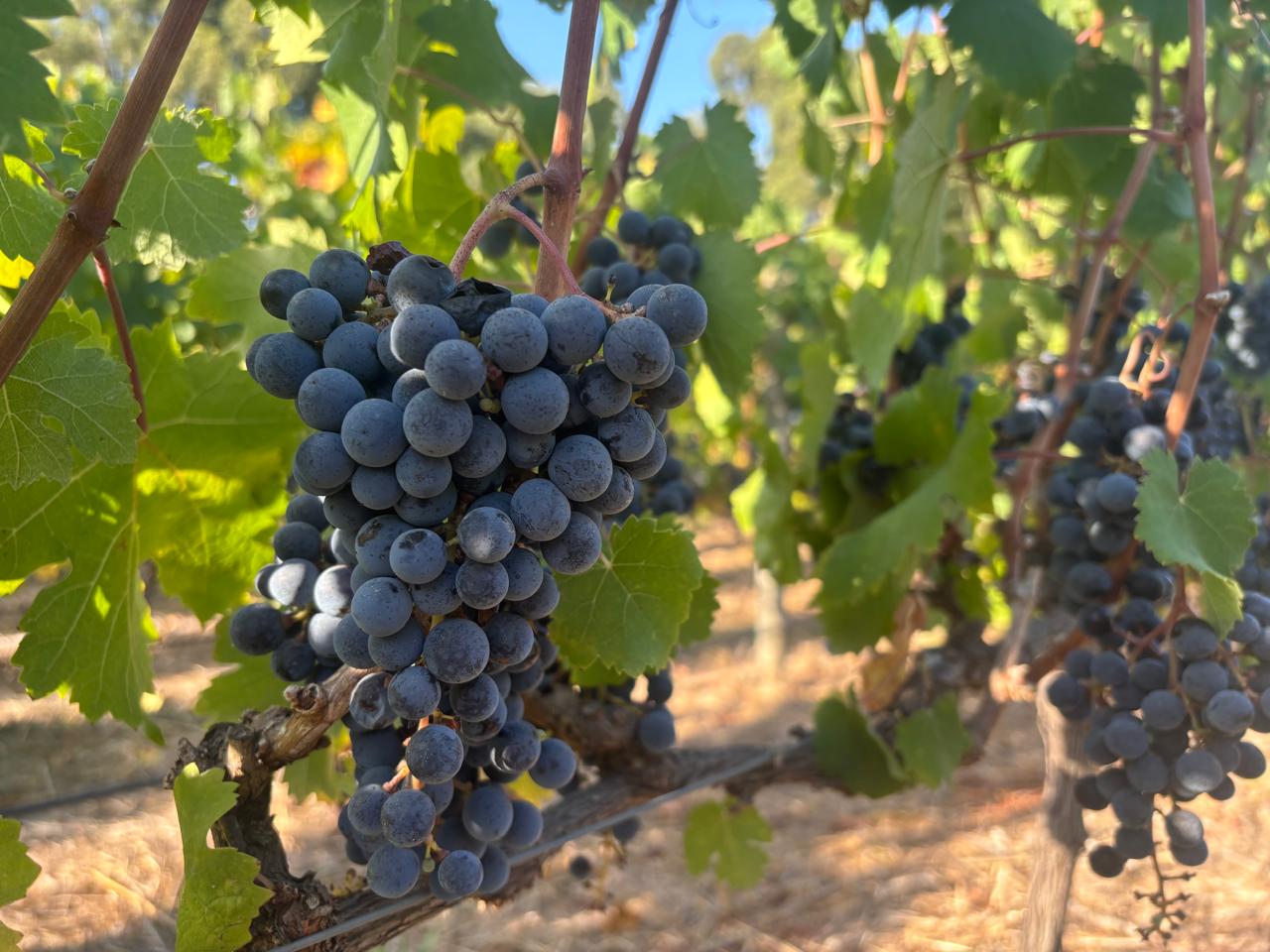
The grapes are nearly ready. The sugars are loaded. The Cabernet Franc is blushing beautifully, and if all goes to plan, we’ll be harvesting next week. The bunches are plump, deep in colour, and bursting with flavour. I’ve inspected them personally. Several times. For quality control purposes, obviously.

But here’s the problem.

When grapes reach peak sweetness, word spreads.

First come the guineafowl

An unruly, feathered mob. They march in like they own the place. They jump up, stretch those ridiculous necks, and peck off the ripest berries with absolutely no respect for the hard work that has gone into growing them.

We lose a shocking amount to those hooligans.

Did You Know?

Guineafowl have excellent eyesight.
They can spot ripening grapes from a surprising distance and are especially attracted to darker varieties like Cabernet Franc as sugar levels rise. Once they find a food source, they return in flocks, and they tell their friends.

My job?
Keep them out of the vineyard.

Which sounds simple… until you realise how many rows there are.

I clear one side, charging heroically down the block, and they all flap dramatically to the other side. I sprint there, ears back, paws flying… and they lift off again and land exactly where I just came from.

It is tactical warfare.

Then comes the aerial attack.

Bees.

Thousands of them.

Now listen, we respect the bees. They are vital. They make honey. They pollinate. They are small, organised geniuses. We need them. So we tread carefully.

But when sugar levels rise, they descend from above, land delicately on a grape, pierce the skin, and sip the juice like they’re at a vineyard tasting.

One grape. Fine.
Thousands? Not fine.

Did You Know?

Sugar levels determine harvest timing.
Winemakers measure grape sugar in degrees Brix. As sugars increase, potential alcohol levels rise, but wait too long, and pests (and even rot) can compromise the fruit. Timing harvest is a delicate balance between flavour, sugar, and vineyard protection.

You may think I am exaggerating.

But when you have hundreds of guineafowl and thousands of bees, the damage adds up. Birds I can chase. Birds I can intimidate. Birds understand a well-timed bark.

The bees?

We give up what we must to the bees.

The guineafowl, on the other hand…

IT.IS. WAR.

After a hard days run, a welcome rest

Did You Know?

Cabernet Franc ripens earlier than Tannat.
That’s why it’s often one of the first red varieties harvested in a season. It develops beautiful aromatics, think red berries, violets, and subtle herbs, but because it ripens earlier and builds sugar quickly, it becomes an irresistible target for birds just before picking time. Timing (and vigilant pest control) is everything.

Still, despite the skirmishes, the Cabernet Franc looks magnificent. Deep flavour. Balanced ripeness. Nearly time.

If you taste a hint of intensity in this year’s vintage, just know, it was earned.

By the vines.
By the team.
And mostly by me.

Yours in vigilance,

Nibby

Head of Pest Control, Defender of the Franc, Chaser of Birds

Enzo’s Summer Watch: Making Fire Work Harder

Howzit, friends.
Enzo here. Farm Manager. Biscuit guardian. Occasional couch monopoliser.

Summer in Stellenbosch is a beauty. Long light, hot days, vines stretching lazily toward harvest. But she’s also a dangerous beauty. Dry grass, hot berg winds, and one careless spark can turn a peaceful valley into a furnace.

And while I can’t control what our neighbours get up to (looking at you…), I can control what happens on our patch.

That’s my job.

Building the Line

Fire doesn’t politely knock at the gate. It looks for fuel. So we make sure it doesn’t find any.

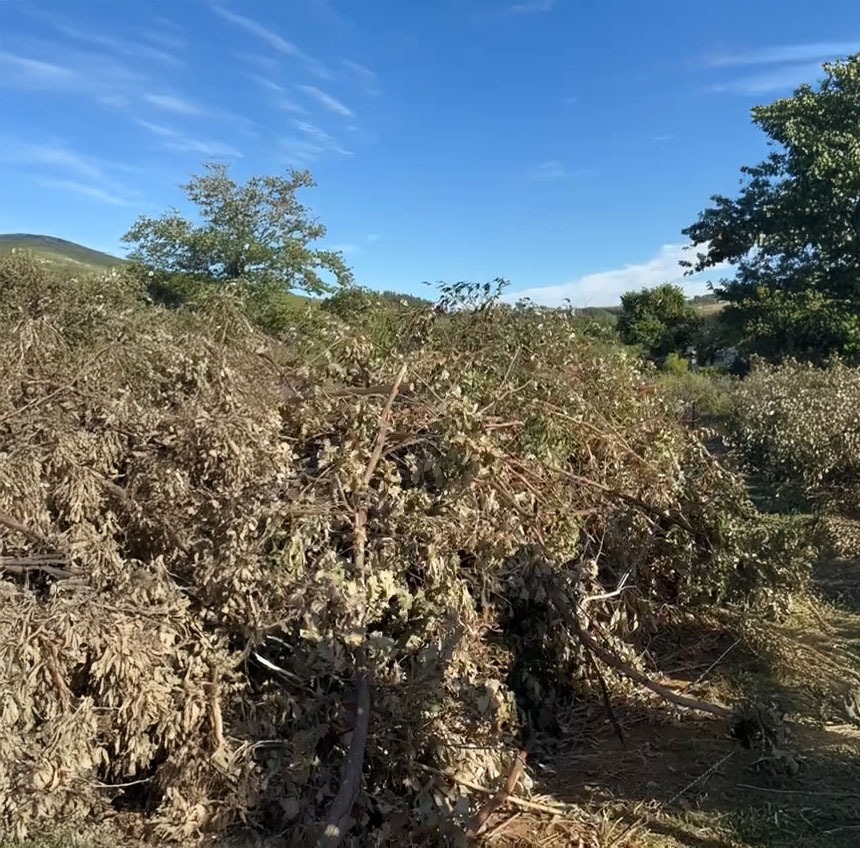
For the past three weeks, we’ve been working the perimeter, especially that clutch of blue gum trees in the corner. Beautiful giants, yes. But blue gums can burn like torches if left untamed.

So we cleared.
We cut.
We trimmed lower limbs.
We removed dead branches.
We brush-cut everything that could feed a flame.

Did You Know?

Blue gum (Eucalyptus) trees contain highly flammable oils.
In hot, dry conditions, these oils can make fires burn hotter and spread faster. Removing dead branches and trimming lower limbs eliminates what firefighters call “ladder fuels”, vegetation that allows flames to climb from the ground into the tree canopy.

Fire breaks aren’t glamorous work. They’re not romantic like harvest. They don’t smell like fermenting grapes or fresh soil after rain. But they matter. They’re quiet insurance policies written in sweat.

We can’t stop the threat of fire completely. That would be arrogance. But we can make it difficult. We can slow it down. We can protect what we’ve built.

Did You Know?

Firebreaks are designed to slow fires, not necessarily stop them.
By removing vegetation and fuel along a boundary, a firebreak reduces intensity and spread. That slowdown can make all the difference, protecting vineyards, farm buildings and neighbouring land, while giving firefighters time to respond. In many farming regions, maintaining firebreaks is also a legal requirement.

The Mountain Problem

Of course, when you remove fuel… you’re left with a mountain of it.

Branches. Shrubs. Undergrowth. Enough to build a small wooden castle.

So what do you do?

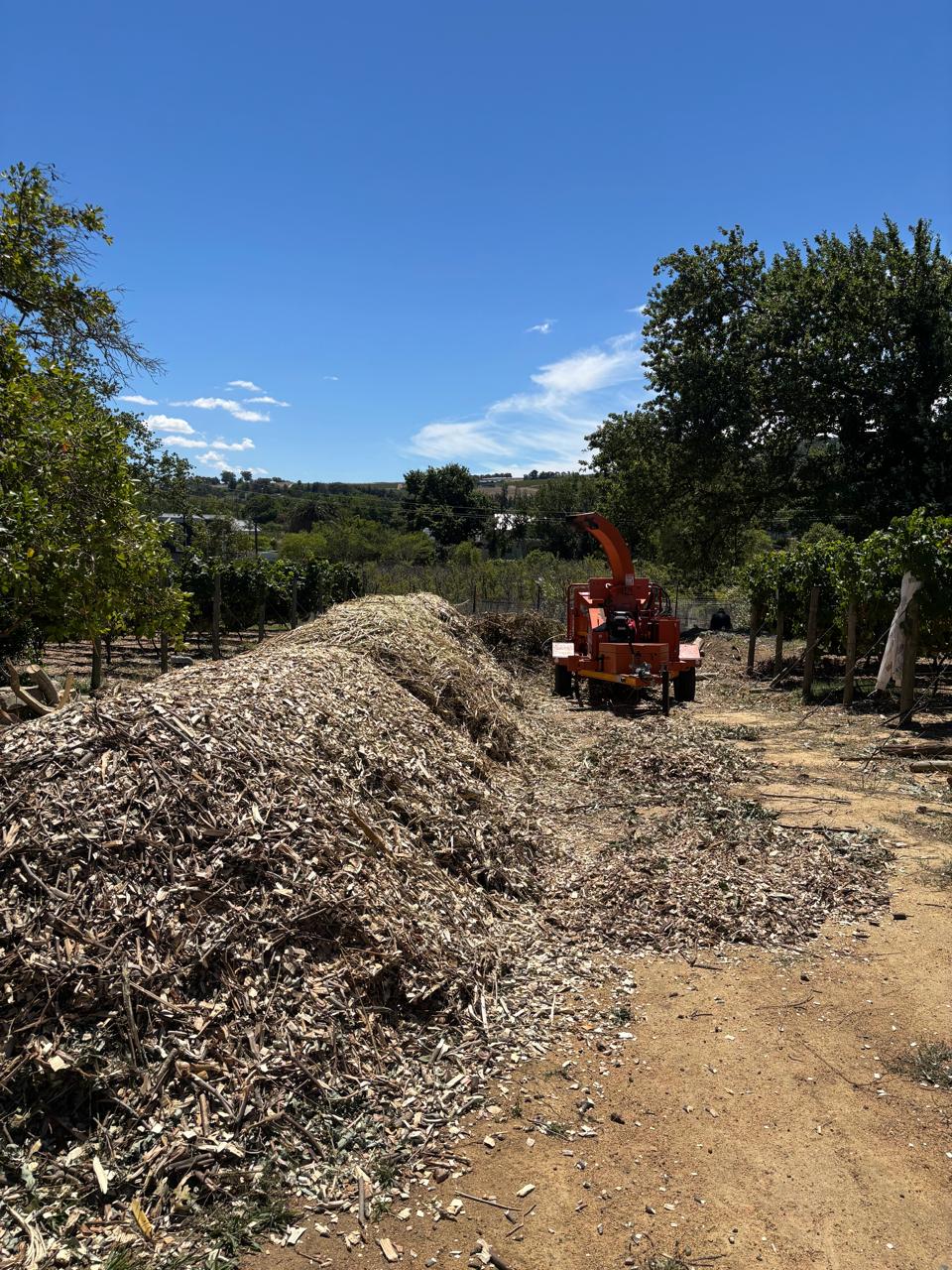
You bring in the mighty chipper.

All paws (and hands) on deck. Feeding the beast from dawn to dusk. The machine roared, chewed, and spat out neat piles of woodchips where once there was chaos.

By the end of the day, the mountain was gone. In its place? A golden pile of chips — future mulch for the vineyard rows come winter.

Nothing wasted. Nothing burnt. Just transformed.

Did You Know?

Wood chipping reduces fire risk and improves soil health.
By chipping cleared vegetation instead of burning it, we remove a fuel source while creating mulch that helps retain soil moisture, regulate temperature, suppress weeds and slowly return organic matter to the soil. A hazard becomes a vineyard asset.

There’s something satisfying about this kind of work. It’s not flashy. It doesn’t come with applause. But it’s foundational.

On a farm, resilience isn’t loud. It’s practical.
It’s clearing before there’s smoke.
It’s trimming before there’s trouble.
It’s thinking ahead.

So while the summer sun keeps blazing and the valley hums with heat, know this:

Long Dog Farm is ready.

Fire might try its luck.

But we’ve made it work harder.

Until next time,

Enzo

Farm Manager at Long Dog Farm

Paws, Parades & Pure Harvest Magic

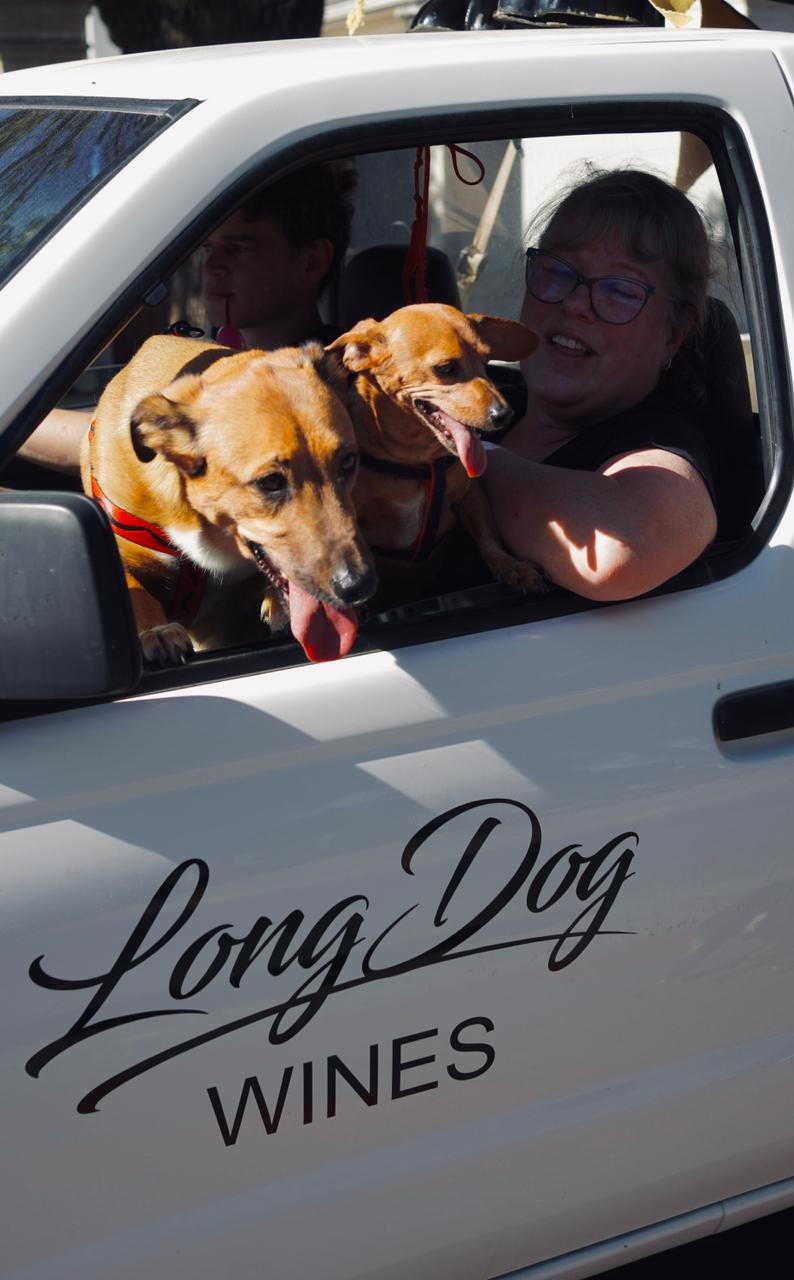
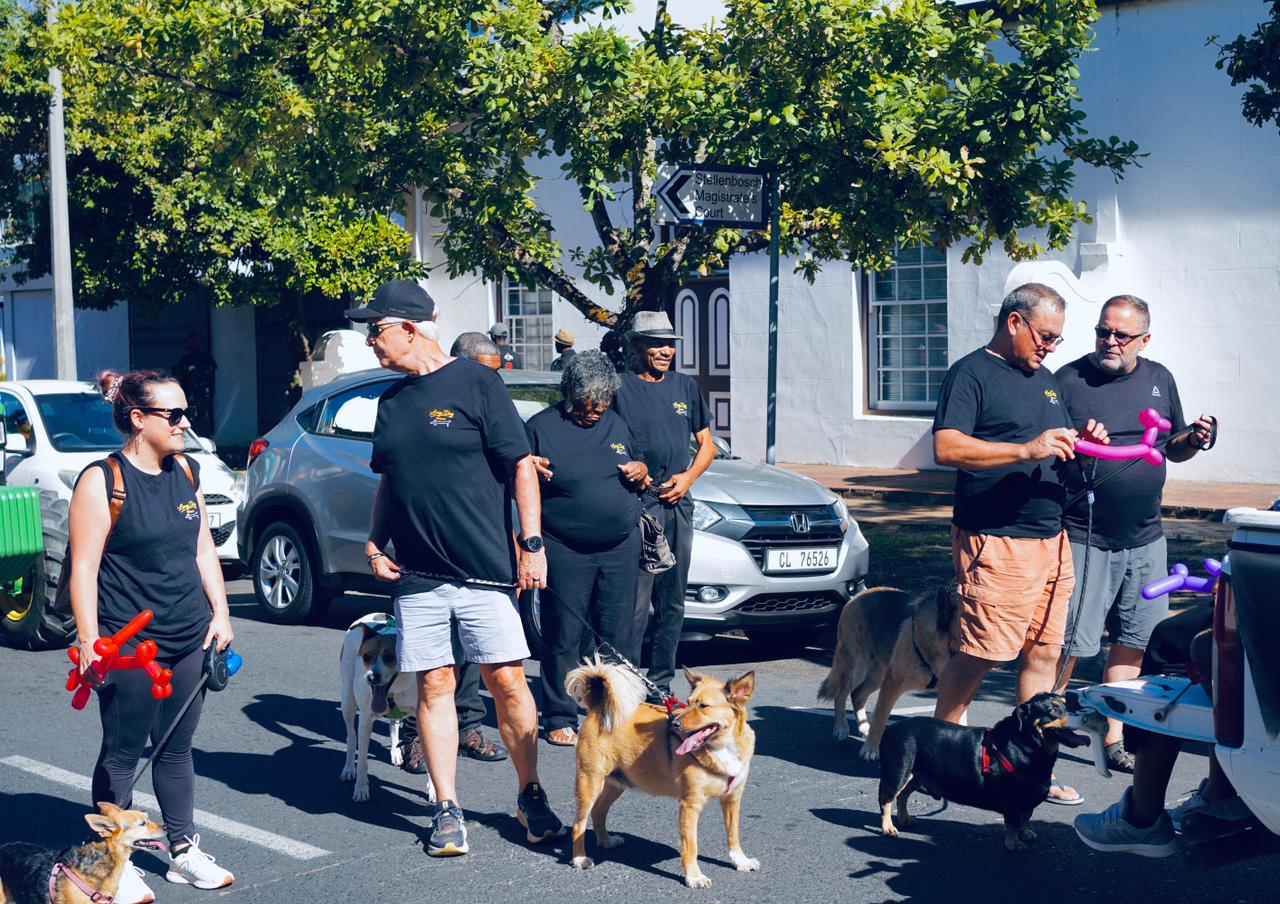
Darlings. If you heard squeals of delight, spontaneous applause and the relentless click-click-click of phone cameras on Saturday, that was us. Long Dog Wines took part in the Stellenbosch Harvest Festival Parade and let me be very clear about one thing upfront… we stole the show.

All seven of us dogs were out in full force, joined by one of our seasonal workers and a visitor who clearly thought they were just popping by for a casual stroll. Instead, they found themselves walking alongside a moving spectacle of long dogs, wide smiles and an audience that lost its collective mind.

The Stellenbosch Harvest Festival is rooted in tradition, not tastings.

While Stellenbosch is famous for wine, the Harvest Festival itself centres on celebration and community — with parades, music and ceremony taking priority over wine being served.

The crowd adored us. And when I say adored, I mean:

  • children abandoning all sense of composure,
  • adults waving, cheering and crouching for photos,
  • phones raised so often it looked like a coordinated flash mob.

I posed. Obviously.
I waved (pawed).
I held eye contact with cameras like a professional.

The others played their roles beautifully — Sam dignified as ever, Dino soaking up the attention, Noodle scanning for threats — but let’s not pretend the parade didn’t slow down every time I passed.

The parade is the heart of the festival.

Local farms, wine estates, workers and community groups take to the streets in a colourful procession that honours the people behind the harvest — from vineyard teams to creatives and cultural icons.

The humans added to the magic by making balloon dogs for the kids, which felt both complimentary and slightly derivative, but I allowed it. Community spirit matters.

There was pomp. There was ceremony. There was colour, music and that harvest-time buzz that fills the streets of Stellenbosch when everyone remembers why they love this town so much.

It’s one of Stellenbosch’s oldest seasonal celebrations.

The festival has been celebrated for decades as a moment of gratitude, pride and joy — a reminder that wine begins with people, place and hard work long before it reaches a glass.

Long Dog Wines didn’t pour wine yesterday.
We didn’t need to.

We brought joy.
We brought personality.
We brought dogs to a harvest parade — and honestly, what more do you need?

Until the next strut, stroll or show-stopping appearance.
Stay fabulous. Stay iconic. 

Ziggy

Head of marketing. Head of glamour. Head of the parade.

Reporting from between the rows.

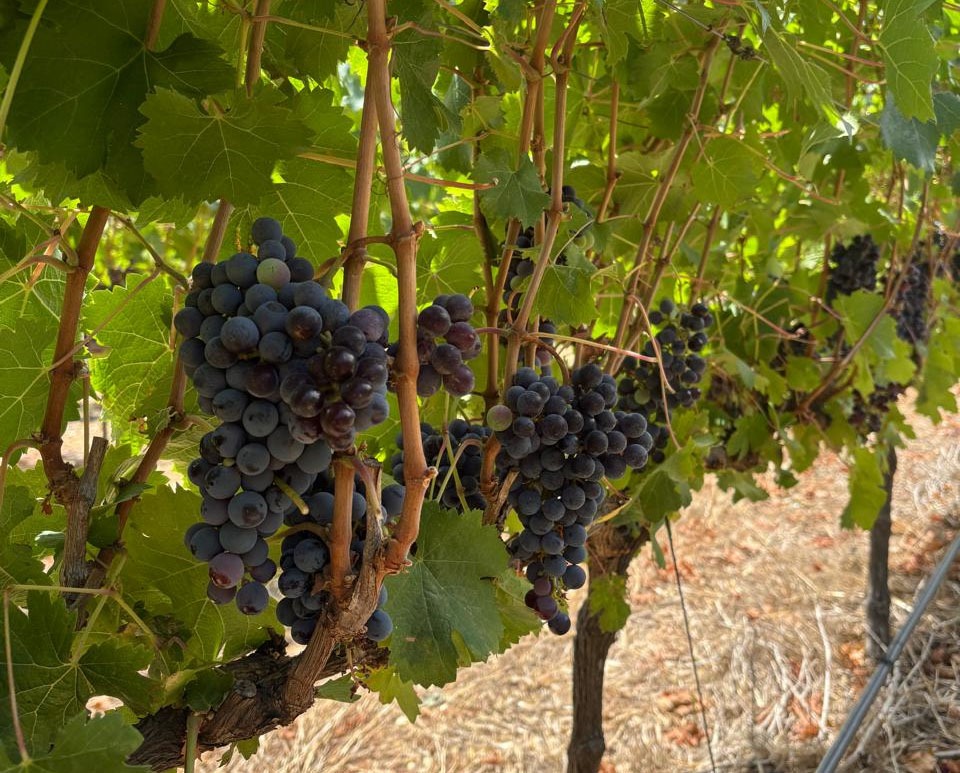
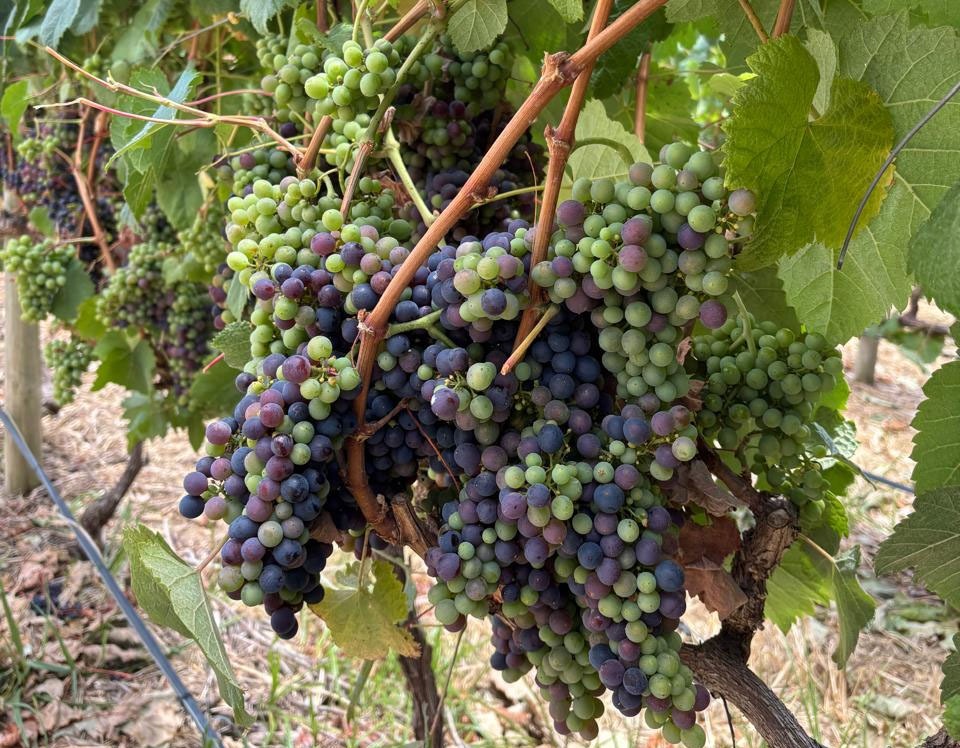
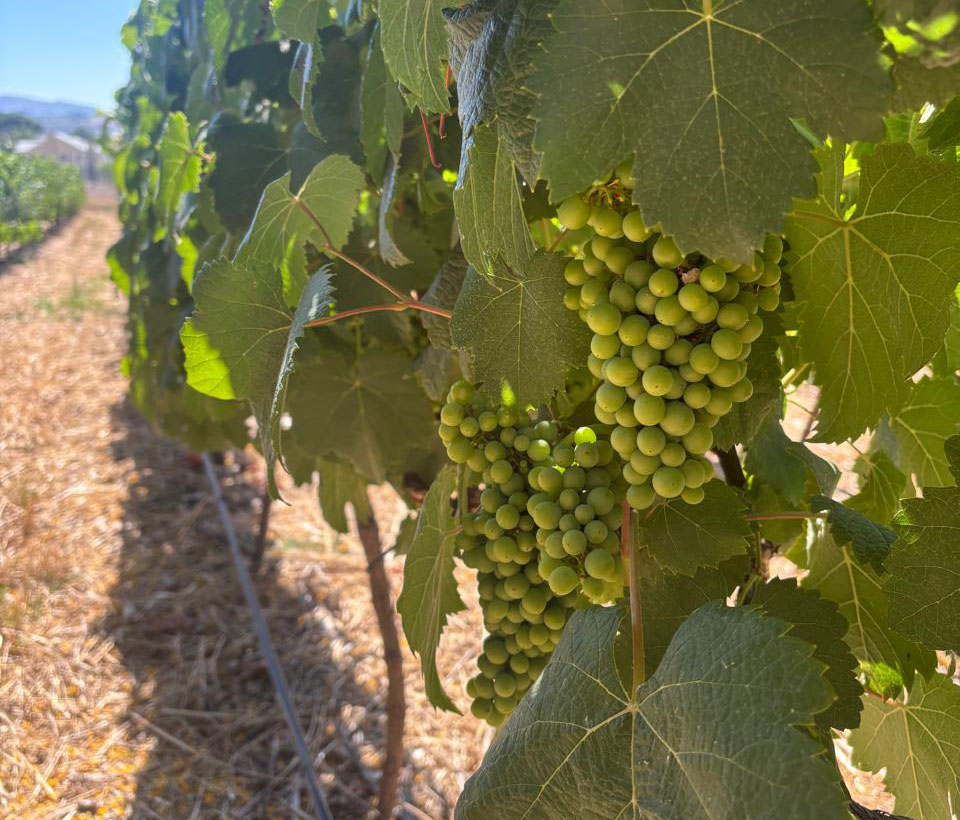
Véraison has arrived at Long Dog Wines, and it’s one of those moments in the season where the vineyard quietly tells you how the year is really going. The berries soften, colour creeps in, sugars start to rise, and suddenly everything feels a lot more… committed.

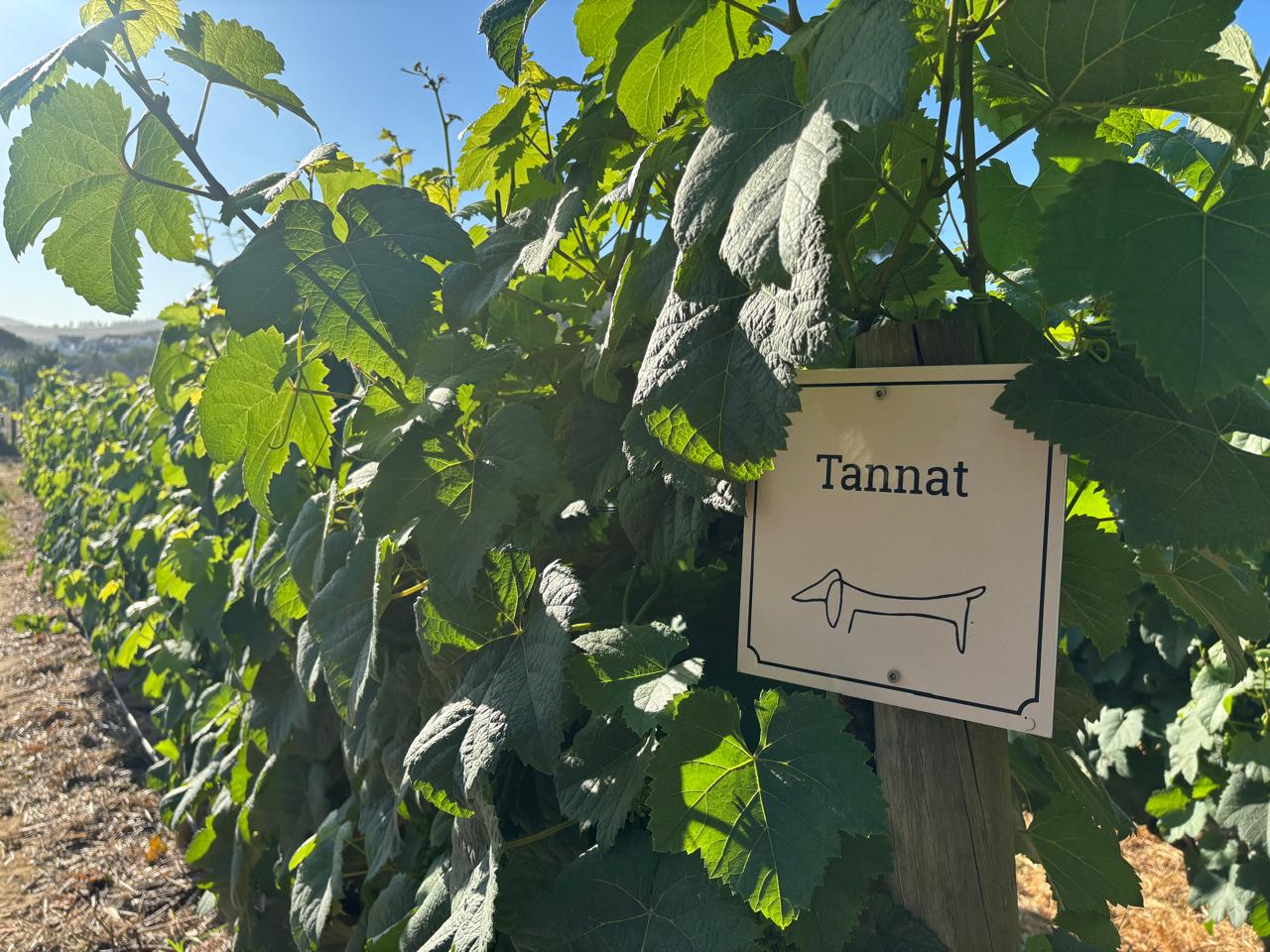
This year, the crop is looking strong. Balanced canopies, healthy bunches, good airflow. And nowhere is the character of the vineyard more obvious than in our two red varieties: Cabernet Franc and Tannat.

They may share the same soil, sun and weather, but they could not behave more differently.

Did you know?

Véraison marks the start of true ripening, when grapes shift from growth to flavour development.

Cabernet Franc: the well-mannered one

Cabernet Franc is elegance in vine form.

The growth is tidy and measured. Shoots are upright, bunches are evenly spaced, and the vine seems to understand personal boundaries. During véraison, the berries colour evenly, almost politely, as if they’ve all agreed on the timing beforehand.

You can walk a Cab Franc block and read it easily. Nothing surprises you. Nothing gets in the way. It’s a vine that rewards careful pruning and gentle guidance. Do your job properly early in the season, and Cab Franc thanks you by behaving impeccably.

If this vineyard had a dress code, Cab Franc would follow it.

Did you know?

Cabernet Franc ripens earlier than many red varieties, which makes it well-suited to cooler sites and shorter seasons.

Tannat: organised chaos

Tannat, on the other hand, has never met a rule it liked.

The growth is vigorous and unapologetic. Shoots head off at odd angles, bunches appear where you weren’t expecting them, and there are a lot of them. During véraison, colour comes in unevenly at first. Some berries charging ahead, others lagging behind, until eventually the vine pulls itself together.

Tannat is prolific. Heavy bunches, thick skins, and a stubborn resilience that makes you work harder as a vineyard manager. It needs firm decisions, regular passes, and a slightly sterner tone of voice. Left unattended, it would happily take over the farm.

There’s a wild confidence to it. Less refinement, more momentum.

Did you know?

Tannat has some of the thickest grape skins of any red variety, contributing to its deep colour and firm tannin structure.

Same farm, two personalities

Seeing these two varieties side by side at véraison is one of the quiet joys of the job. One calm and considered, the other bold and unruly. Both healthy, both promising, both very much themselves.

Dino wandered past earlier and inspected the Tannat with obvious approval. He likes abundance.
Noodle keeps a close eye on the Cab Franc rows. Orderly vines make for efficient patrol routes.
Ziggy, of course, prefers whichever block has the best light for photos.

Me? I like the contrast. It reminds you that good wine isn’t about forcing uniformity. It’s about understanding character and working with it.

The vineyard is speaking clearly this year. And so far, it’s saying we’re on the right track.

Until the next walk-through,

Sam – Vineyard Manager, Long Dog Wines

Holiday time on the Long dog farm

Holiday time on the farm sounds relaxed. Slow mornings. Long lunches. Feet up in the shade.

That’s the idea, anyway.

In reality, the vines don’t know it’s holiday season. They still need tending, checking, guiding and the odd stern word if they start getting ideas of their own. If we want the best out of them come harvest, the work carries on — quietly, carefully, and without much fuss. I’ve seen enough seasons to know this.

The real excitement this week came with the arrival of the cousins from Sandton.

Truffle arrived first, all confidence and good posture. She’s an aqua gym instructor now, which she mentioned several times, usually while demonstrating stretches no one asked for. Close behind her was Nougat, head taster at the local sausage factory, a job he takes very seriously and speaks about with great authority.

It’s always good having the cousins here.

Enzo, naturally, took it upon himself to give them the grand tour. Vineyard rows, river, cellar, favourite digging spots, the full experience. He loves showing off the farm, especially to visitors who pretend not to be impressed and then absolutely are.

Noodle insisted on handling orientation. Rules were laid out clearly and firmly: where you may go, where you may not go, what is definitely not yours, and why the cellar is off-limits at all times. No exceptions. No negotiations. Nougat nodded respectfully. Truffle asked follow-up questions. Noodle did not appreciate that.

Nibby wasted no time and dragged Nougat straight into training. Guineafowl chasing, apparently, is a skill best learned young, or at least learned enthusiastically. There was a lot of running, very little success, and even less dignity. I observed from the shade. As one should.

Dino, meanwhile, grew increasingly grumpy as both cousins showed far too much interest in the cellar. A sniff here. A curious pause there. Dino made it very clear: this is work, not a tourist attraction. Quite right too.

So yes, it’s holiday time on the farm.

There are visitors, laughter, chaos and the occasional stern reminder of boundaries. But the vines are still growing, the cellar is still sacred, and the work continues — just with a few extra paws underfoot.

I’ve watched many seasons come and go, and I can say this with confidence: this is how it should be.

Merry Christmas and happy holidays to all.

Lots of love

Lassy


Sam Says: How to Judge a Good Wine Without Barking Up the Wrong Tree

If there’s one thing I’ve learnt padding through these vineyards season after season, it’s how to judge a good wine long before it reaches your glass. Humans swirl, sniff and sip. Dogs? We observe, we sense, and (if you ask Dino) we occasionally stick our noses where they don’t belong.

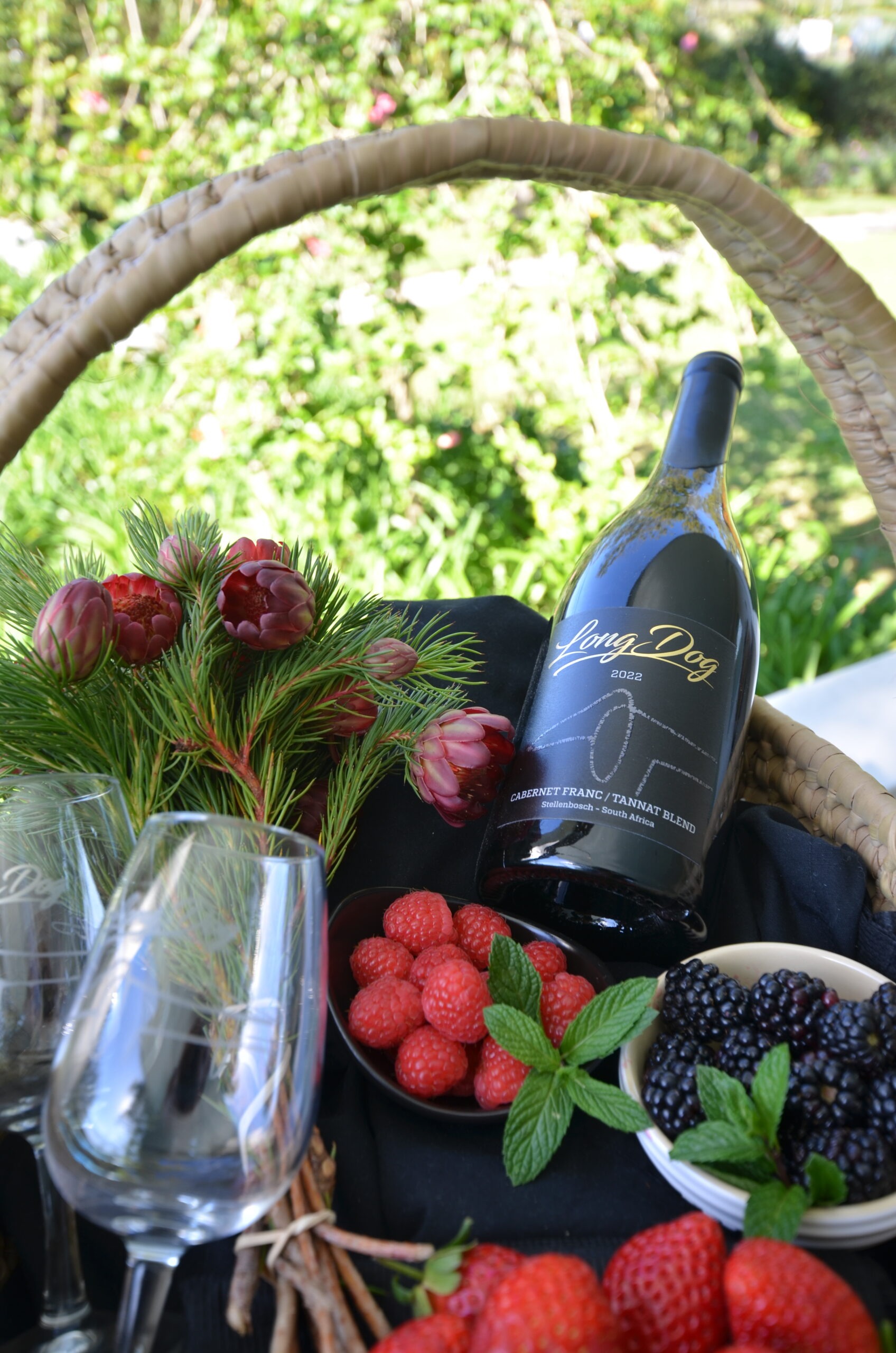
But today’s lesson is simple, educational and straight from my paws to your palate: why Cabernet Franc and Tannat make the perfect marriage. Think of it as relationship counselling… but for grapes. And trust me, these two complement each other better than a well-aged bone and a sunny spot on the tasting-room stoep.

Cabernet Franc: The Elegant One

Cabernet Franc is that graceful, quietly confident character in the vineyard. The kind who walks in with structure, finesse and a bouquet so pretty even Nibby stops barking for a moment.

Personality Traits:

  • Perfumed and aromatic

  • Silky and refined

  • Full of red fruit and gentle spice

  • Medium build, balanced and expressive

Cabernet Franc brings freshness, lift, and beautiful aromatics. But every hero has a shadow, and for Cab Franc, it’s this: sometimes it’s too polite. Too gentle. Too well-behaved. Like Enzo trying to manage harvest chaos with a clipboard and a smile.

That’s where its partner comes in…

Did you know?

Cabernet Franc is one of the parent grapes of Cabernet Sauvignon, giving it many of its signature aromas and elegance.

Tannat: The Muscle With a Tender Heart

Tannat is bold. Tannat is powerful. Tannat is the colleague who arrives early, fixes the fence, chases off the guinea fowl and then asks who needs help in the cellar.

Personality Traits:

  • Dark, brooding fruit

  • Firm tannins

  • High natural structure

  • Built to age for years

But even strength needs balance. Tannat alone can sometimes be a bit… intense. The sort of wine that, if it were a dog, would accidentally knock over the outdoor furniture while happily wagging its tail.

Did you know?

Tannat is naturally one of the highest tannin grapes in the world, which is why it delivers such incredible structure and ageing potential.

    Why They’re Magic Together

    Now picture these two side by side:

    • Cab Franc with its perfume and elegance

    • Tannat with its depth and power

    When they join forces, one fills in the gaps of the other like true vineyard soulmates.

    Cabernet Franc softens Tannat’s edges.
    It brings brightness, aroma and finesse — giving Tannat room to express itself without overwhelming the senses.

    Tannat strengthens Cabernet Franc’s backbone.
    It adds structure, colour and intensity — giving the blend staying power and a long, memorable finish.

    Together, they create a wine that’s beautifully lifted but deeply grounded, refined yet assertive, and complex without being complicated. A bit like Dino and I during harvest: he brings the swagger, I bring the order.

    Did you know?

    Tannat is considered the national grape of Uruguay and is the country’s most widely planted red variety, loved for its rich, bold character and food-friendly structure. Cabernet Franc is also growing in popularity there, with winemakers increasingly blending the two to create elegant, structured wines with great aging potential.

      How to Judge This Blend Without Barking Up the Wrong Tree

      When tasting a Cab Franc–Tannat blend, look for:

      Balance
      Neither grape should dominate. Like a well-run vineyard team, every member should have a role.

      Aromatic lift from the Franc
      Red fruit, flowers, subtle spice — that’s your clue the Franc is doing its job.

      Structured depth from the Tannat
      The grip, the richness, the age-worthiness — that’s pure Tannat muscle.

      A smooth, confident finish
      The best blends walk away gracefully, not in a rush.

      Harmony
      If it tastes like the grapes are arguing, send it back. Life’s too short for bickering wine.